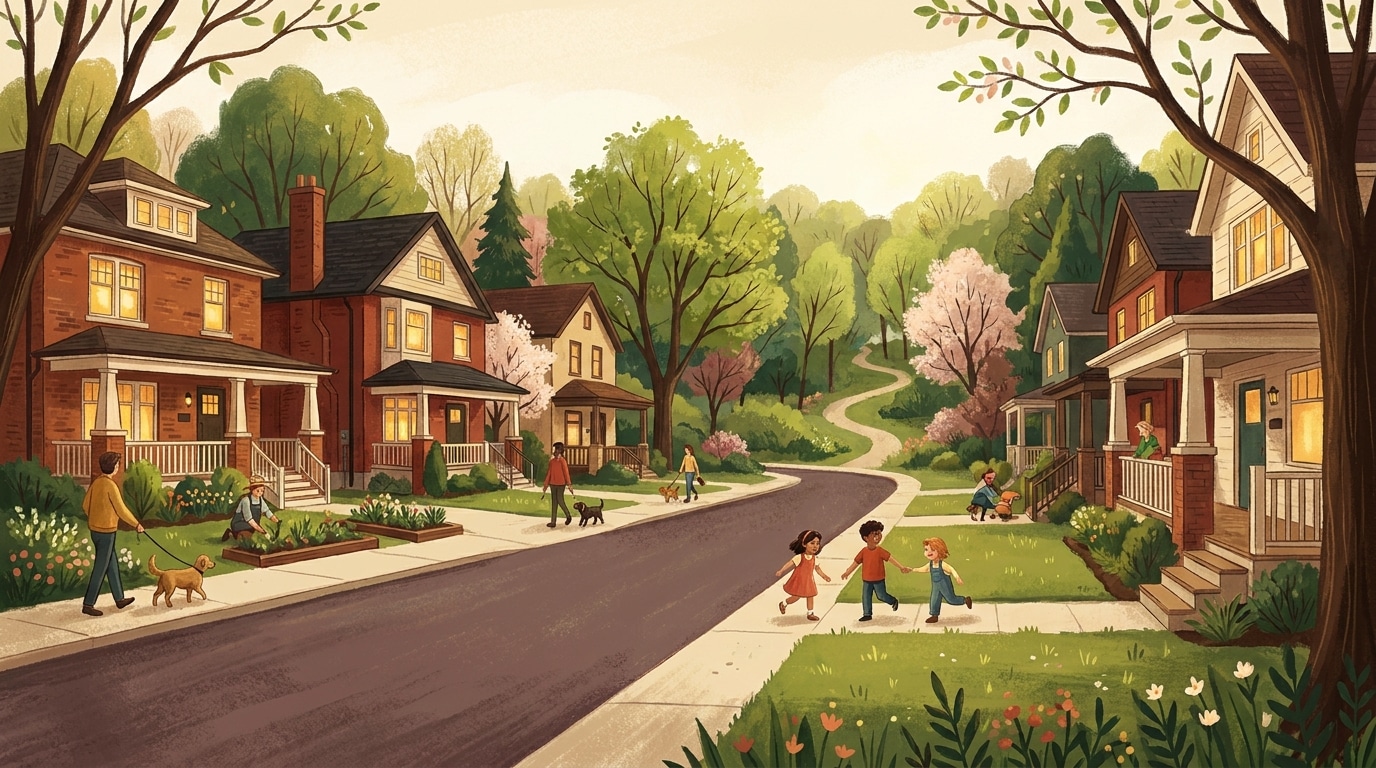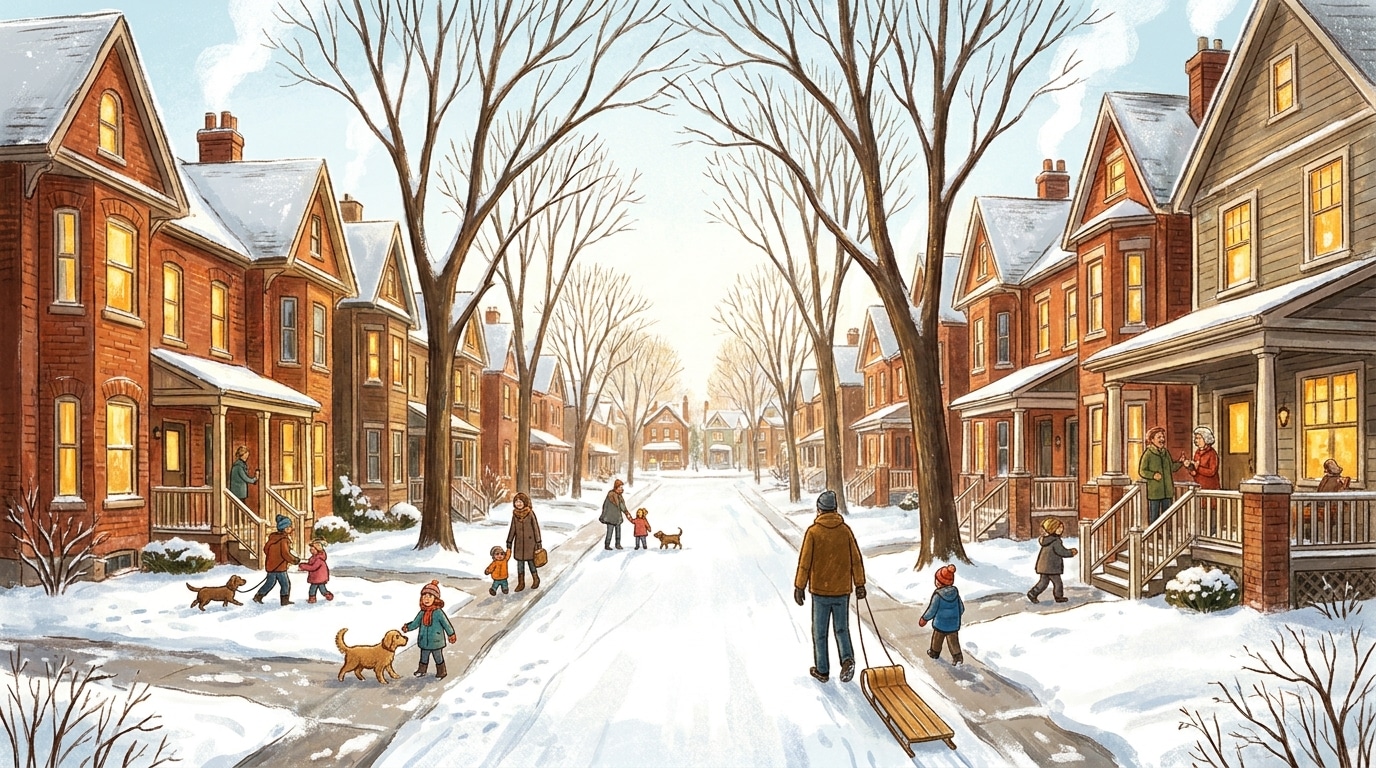
Moving into a new home is a milestone moment for families, especially when it comes with more space, a better layout, or long-term plans to settle in. Still, even when the move is a positive one, adjusting to a new neighbourhood can feel unsettling at first. Routines shift, familiar landmarks disappear, and everyone in the household processes change differently.
If your goal is to help your family adjust to a new neighbourhood, the focus should be less about forcing excitement and more about building familiarity, comfort, and connection over time. Belonging is not immediate. It is something that develops through small, repeated experiences that make a place feel predictable and safe.
Below are practical, realistic ways to help your family adjust to a new neighbourhood while giving everyone the time and space they need to feel at home.
Start With Stability Inside the Home
One of the most effective ways to help your family adjust to a new neighbourhood is to create stability inside the home first. Even when the house itself is new, familiar routines signal safety to both kids and adults.
Try to reestablish daily rhythms as quickly as possible. Keep meal times consistent. Maintain bedtime routines that mirror what you had before the move. Unpack priority spaces like bedrooms, bathrooms, and the kitchen early so daily life feels functional rather than temporary.
Predictable routines play a key role in helping children manage stress during transitions. While the neighbourhood may feel unfamiliar, the home can still feel steady and grounding.
When families feel regulated inside their own space, they are better equipped to engage with the outside world.
Create a Sense of Ownership for Each Family Member
Adjustment happens faster when everyone feels a sense of agency in their new environment. One way to help your family adjust to a new neighbourhood is by giving each family member some ownership over the process.
For younger children, this might mean choosing where their furniture goes or picking a nearby park to explore together. Older kids may want a say in how their room is set up or which routes they take to school. Adults can claim ownership by setting up familiar spaces like a reading corner, home office, or garden area.
This sense of control helps reduce anxiety and reinforces that the move is something happening with the family, not to them.
Explore the Neighbourhood in Small, Repeatable Loops
It can be tempting to explore everything at once, but smaller, repeatable experiences are often more effective. Walking the same block daily, visiting the same coffee shop, or using the same park helps the environment feel familiar faster.
Exploring local neighbourhoods is a great start to understanding what your family needs when it comes to community, accessibility, and nearby amenities. Even short walks after dinner or weekend bike rides help build mental maps and comfort.
Neighbourhoods like Riverdale and The Junction often appeal to upsizing families because they offer walkability, green space, and strong community infrastructure. That said, adjustment looks different everywhere, and familiarity comes from repetition, not scale.

Let Connections Develop Naturally
Many families feel pressure to immediately meet neighbours or build friendships. While connection matters, forcing it can sometimes backfire. One of the most overlooked ways to help your family adjust to a new neighbourhood is to allow relationships to form organically.
Start with low-pressure interactions. A wave during school drop-off. A quick conversation at the dog park. A hello during evening walks. Over time, these small interactions create recognition and comfort.
Community centres, libraries, and school events are often natural gathering points for families. Participation in local activities increases feelings of belonging and social trust, particularly for families with children.
Connection does not need to be immediate to be meaningful.
Acknowledge What Your Family Misses
Adjustment does not mean pretending nothing was lost. One of the most important ways to help your family adjust to a new neighbourhood is to acknowledge what they miss without rushing to replace it.
Kids might miss friends, schools, or familiar routines. Adults may miss neighbours, convenience, or emotional attachments to the previous home. Validating these feelings helps normalize the transition.
Psychologists often note that grief and excitement can exist at the same time during major life changes. Allowing space for both emotions builds trust and emotional resilience within the family.
Rebuild Family Rituals in the New Environment
Rituals help anchor families during times of change. Whether it is Sunday pancake breakfasts, movie nights, or seasonal traditions, reintroducing familiar rituals helps bridge the gap between old and new.
You can also create new rituals that are tied specifically to the neighbourhood. A weekly walk to a local bakery. Saturday mornings at the farmers market. Evening visits to a nearby playground.
These experiences link positive memories directly to the new environment, which plays a major role in helping your family adjust to a new neighbourhood over time.
Get Comfortable With the Local Landscape
Practical familiarity builds confidence. Knowing where essential services are located helps daily life run more smoothly and reduces stress.
Take time to identify:
- Grocery stores and pharmacies
- Medical clinics and dentists
- Schools, childcare, and community centres
- Parks, trails, and recreation facilities

Exploring these essentials early helps the neighbourhood feel functional rather than foreign. Browsing current listings can also provide insight into how the area is evolving and what types of families are choosing to settle there.
Understand That Adjustment Is Not Linear
There will be good days and harder days. A smooth week followed by a tough one does not mean the move was a mistake. It simply means adjustment is ongoing.
It can take several months to a year to fully settle into a new environment, especially for children. Measuring progress through small wins rather than big milestones makes the process feel more manageable.
Signs of progress might include calmer bedtimes, spontaneous laughter in the new living room, or a growing sense of comfort during daily routines.
Choose Neighbourhoods That Support Long-Term Belonging
While adjustment strategies matter, the neighbourhood itself plays a role in how easily families settle in. Areas with schools, green space, walkability, and community programming often support smoother transitions.
Neighbourhoods like Playter Estates and Davisville Village are often sought after by upsizing families because they offer a balance of space, amenities, and community feel. Choosing a neighbourhood aligned with your family’s lifestyle can reduce friction during the adjustment period.

When Extra Support Might Be Helpful
Most adjustment challenges improve with time, structure, and connection. Occasionally, additional support can make a difference.
Consider reaching out to your family doctor, a child therapist, or a school counsellor if you notice persistent sleep disruption, escalating anxiety, school refusal, physical symptoms tied to stress, or withdrawal that lasts beyond several weeks.
Seeking support does not mean the move was wrong. It means you are responding thoughtfully to your family’s needs.
The Bottom Line: Belonging Is Built, Not Rushed
To help your family adjust to a new neighbourhood, the goal is not instant comfort. It is gradual familiarity. Stabilize routines. Create ownership. Repeat small neighbourhood loops. Validate what your family misses. Rebuild rituals and allow connections to develop naturally.
A house becomes home when it becomes predictable, safe, and emotionally anchored. With patience and intention, families do not just adjust to a new neighbourhood. They grow into it.
Learning more about housing options and long-term planning can offer helpful context along the way. For families who want to explore how those pieces come together in their specific situation, connecting with the Halyard team can provide clarity without pressure.