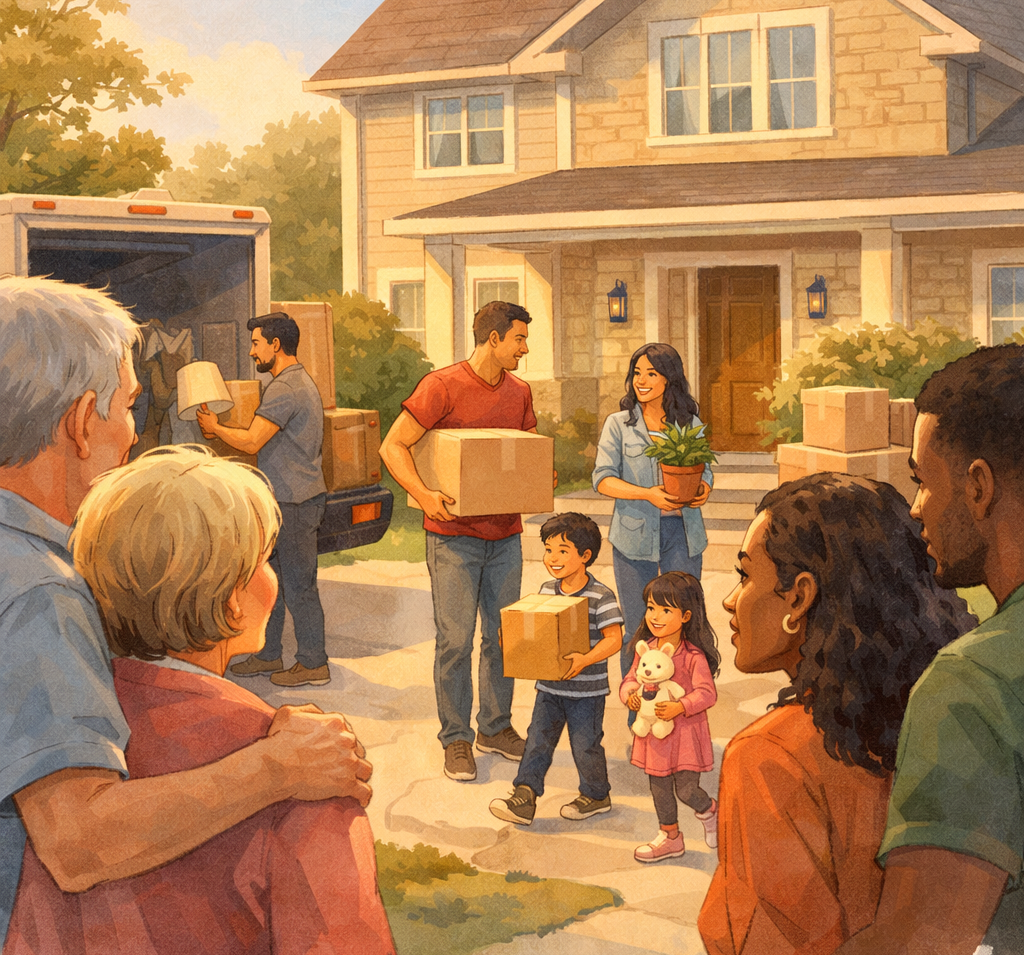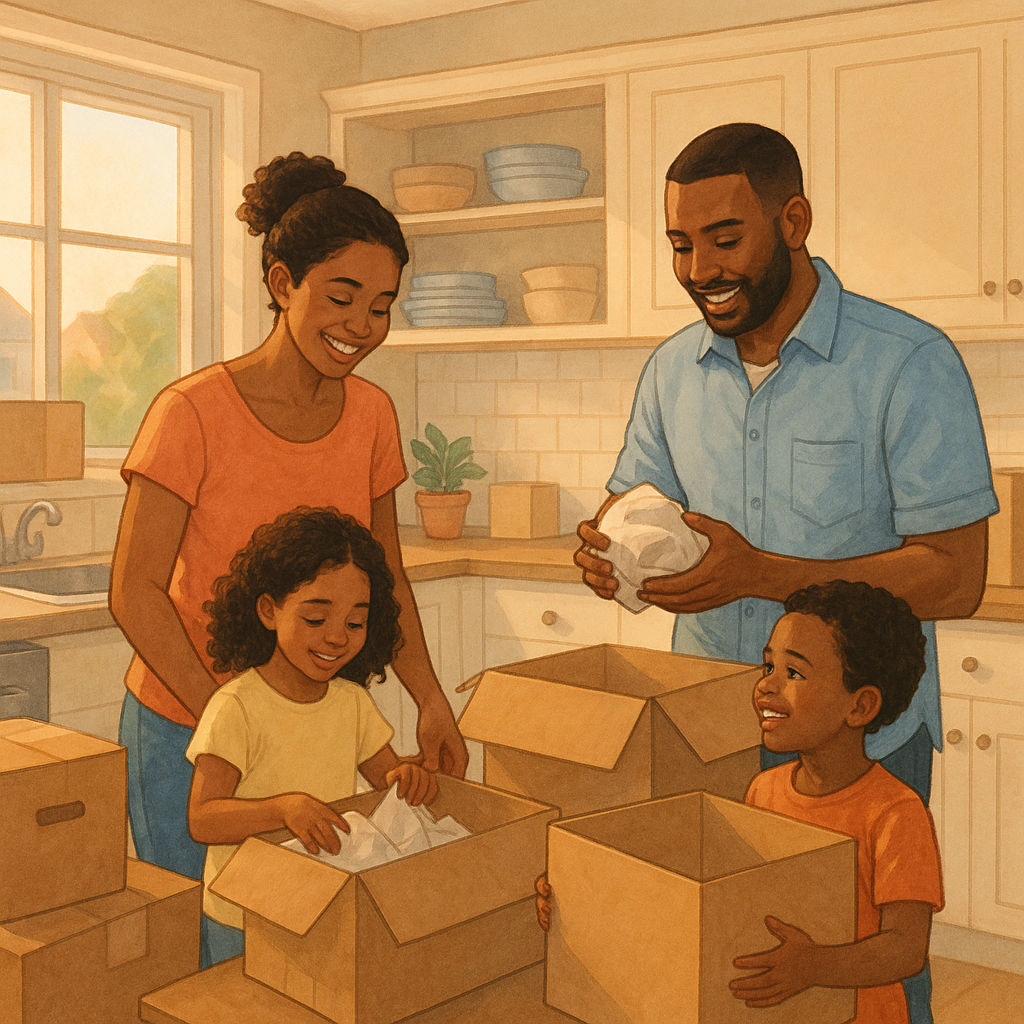
Upsizing your home is a powerful milestone. It’s a moment filled with excitement, possibility, and the promise of new space – more room to grow, breathe, relax, work, play, and connect. For many families, the reality of moving into a larger home also comes with an unexpected emotional dip. The house feels unfamiliar. Routines are disrupted. Boxes seem endless. Even with the extra space you dreamed of, it can feel strangely overwhelming.
This is where family unpacking becomes more than a to-do list. It becomes a process of grounding, bonding, and transforming a house into a home. When done intentionally, family unpacking can shorten the adjustment period, reduce stress, and help everyone – parents and kids – feel settled faster.
This blog explores why the first days and weeks in a new home matter so much, how family unpacking can ease the transition emotionally, and the practical steps that help you feel “at home” long before every box is unpacked.
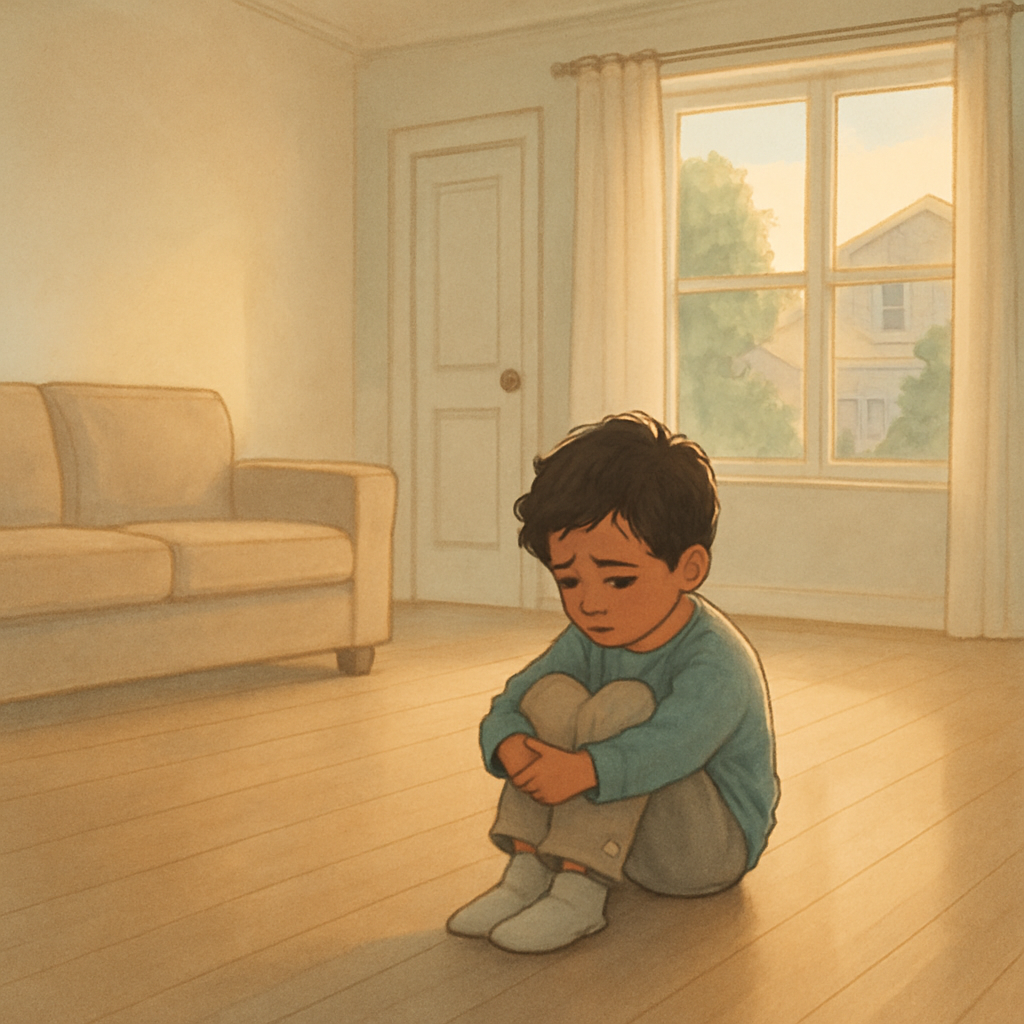
Why Upsizing Disrupts More Than Your Furniture Layout
Moving into a bigger space is exciting, but it also disrupts patterns that anchor your family’s daily life. The kitchen is unfamiliar. Morning routines shift. Kids may feel disoriented without the cues they relied on in your previous home. Parents often experience both relief and pressure – relief to have more space, pressure to make it all “feel right” quickly.
Even though upsizing results from a positive decision, change always takes emotional energy. When families understand that the unsettled feeling is normal, the pressure lessens. The goal isn’t to instantly adapt – it’s to create a foundation for comfort and familiarity, step by step. If you need guidance on how to build your foundation before your move, we have a team of professionals readily available to support you.
Part of why family unpacking is so powerful is because it reintroduces stability through shared action. Unpacking becomes a way to rebuild routines, re-establish comfort zones, and rediscover a sense of belonging.
The Psychology Behind Feeling “At Home”
Feeling at home has surprisingly little to do with the house itself. It has everything to do with recognition and control. When your brain recognizes your belongings arranged in familiar ways, it signals safety. When you control your environment – choosing where things go, organizing your kitchen, setting up a favourite chair – you regain a sense of autonomy.
This psychological process is magnified when moving to a bigger home. More rooms mean more decisions, which can create decision fatigue if approached too quickly. Families who take a phased, intentional approach to family unpacking tend to feel settled sooner, not later. It’s not about how fast you unpack – it’s about unpacking the right things first.
Children feel this even more deeply. Familiar objects, routines, and spaces cue emotional comfort. This is why a child’s bedroom or play area often has an outsized impact on how quickly the family adjusts.
The Most Important Areas to Unpack First
- The kitchen: Establishing where daily essentials live instantly rebuilds routine.
- Bedrooms: Creating a sleep sanctuary reduces overwhelm and supports rest.
- Bathrooms: Fully stocking toiletries, towels, and daily-use items supports stability.
- A shared gathering space: A living room or family room anchors connection and comfort.
- Kids’ comfort zones: Whether it’s a play nook or familiar bedding, kids settle faster with recognizable spaces.
Why the Kitchen Is the Emotional Center of Family Unpacking
No room impacts your sense of stability more than the kitchen. Even if the rest of the house still feels chaotic, a functional kitchen instantly restores routine – morning coffee, after-school snacks, family dinners, small rituals that signal “home.” Upsizing often means adjusting to a new layout, more counter space, or a different traffic flow, and this can feel overwhelming at first.
The trick for your family unpacking is to unpack the kitchen for function, not perfection. Don’t worry about creating the “final” organizational system on day one. Simply establishing where core items go – dishes, cups, cutlery, pots, snacks – helps everyone navigate the space intuitively.
When the kitchen feels workable, the whole house feels more manageable.
Bedrooms: Creating Personal Sanctuaries Quickly
Unpacking bedrooms early supports sleep quality and emotional stability, especially for children. Kids are highly sensitive to environmental changes. When their beds, blankets, stuffed animals, and familiar items are in place, they adapt more confidently. For parents, a functional bedroom reduces stress at the end of long unpacking days.
Upsizing often means larger bedrooms or new furniture arrangements. Resist the urge to perfect the design immediately. Start with comfort, familiarity, and basic organization. A room doesn’t need to be fully decorated to feel like a refuge.
A Gathering Space Helps Your Home Feel Alive
Families thrive on connection, and creating a shared gathering space helps the home feel warm, lived-in, and emotionally alive. Whether it’s a living room, den, or family room, this becomes the heart of your new rhythms. Even if the setup is temporary – a couch, a lamp, a few familiar décor pieces – this space signals belonging.
Upsizing families often spread out more naturally, but the shared space brings everyone back together. Establishing it early helps maintain closeness during the transition.
How Routines Anchor the Transition
Routines are powerful tools for emotional security. When moving into a larger home, new routines emerge naturally, but it’s important to intentionally preserve the core habits that matter most: shared meals, bedtime rituals, homework rhythms, Sunday pancake mornings, or post-dinner walks.
When your family unpacking commences, try to recreate old routines as closely as possible before developing new ones. Familiarity reduces stress while new habits begin to form. Eventually, you will adapt routines that better suit the new space – perhaps a reading nook replaces a couch corner, or a mudroom creates smoother mornings – but anchoring your family in something recognizable helps everyone settle faster.

Kids Experience Upsizing Differently Than Adults
Adults see upsizing through a practical, logistical lens: more space, better functionality, improved lifestyle. Kids view upsizing through an emotional lens: disruption, excitement, curiosity, and sometimes anxiety. Even positive change requires adjustment.
Family unpacking becomes a shared experience that helps children understand the new environment. Involving them in decisions – where toys go, how to decorate their space, what shelf becomes their “special spot” – increases their sense of control and ownership.
It’s also helpful to maintain small anchors of the old home: bedtime stories, familiar bedding, a favourite poster, or even arranging furniture in a similar layout. These small cues bridge the emotional gap between old and new.
Why Larger Homes Can Feel “Empty” at First (and How to Fix It)
One challenge families overlook is that an upsized home can initially feel empty. High ceilings, bigger rooms, and open layouts amplify echoes and create a sense of unfamiliarity. This is normal, and temporary. As furniture settles into place, as décor fills the walls, as voices and routines soften the openness, the home begins to feel warmer.
Family unpacking plays a key role in this transformation. Filling key spaces first helps reduce the sense of emptiness. Textiles – rugs, curtains, pillows – soften acoustics and add visual warmth. Recognizable furniture pieces create comfort cues. Plants bring life. Over time, the house transitions from “new” to “yours.”
The Emotional Turning Point: When It Finally Feels Like Home
Almost every family experiences a moment – usually subtle – when the new home finally “clicks.” It might be a morning where the kitchen feels intuitive. It might be hearing kids laughing in their new play space, or playing with other kids in your new neighbourhood. It might be settling onto the couch after a long day and thinking, this feels right.
This emotional turning point isn’t tied to unpacking every box. It’s tied to familiarity, comfort, routine, and connection. When the home begins to support your daily life rather than disrupt it, the feeling of belonging naturally follows.
Final Thoughts
Family unpacking is more than a logistical task – it’s a foundational step in helping your household adjust to a bigger, more functional space. Upsizing brings opportunity and excitement, but it also brings transition. By focusing on the rooms and routines that ground your family emotionally, you can shorten the adjustment period and feel at home faster. If you’re looking for more guidance or family-focused insights as you settle in, our blog offers a growing collection of helpful resources to support you through every stage of the move.
Your new home doesn’t need to be perfect right away. It just needs to support your family’s comfort, connection, and evolving lifestyle. With a thoughtful approach to unpacking – and a little patience – your bigger home becomes the place where new memories take root.