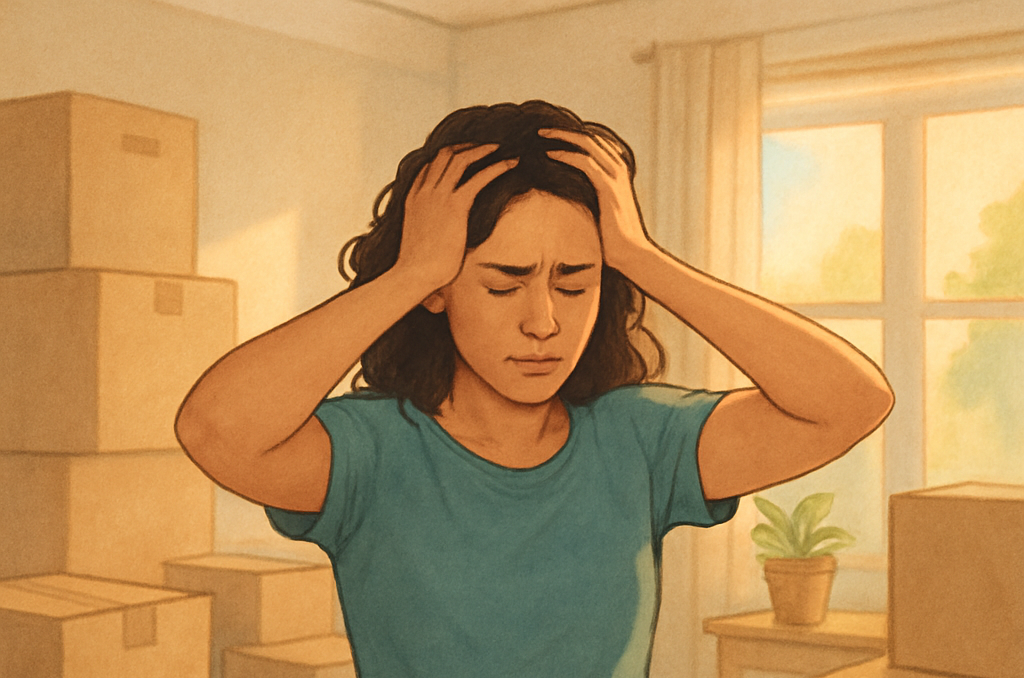
Upsizing your home is one of the most transformative decisions a family can make. It touches every layer of life – your routines, your space, your finances, your neighbourhood dynamic, and even your identity as a family unit. That’s why making an upsizing decision often comes with a surprising emotional weight. Even when the choice feels right, it’s completely normal to wonder: What if we regret this?
Regret is a common fear among homeowners preparing to move into a larger home. The decision carries excitement, anticipation, and the promise of new opportunities. Yet at the same time, it also carries uncertainty. You’re leaving a familiar environment behind, stepping into a new financial commitment, and trusting that this next move will support your family for many years to come. When the stakes feel high, your emotions follow.
Regret is rarely a sign that the upsizing decision was wrong. More often, it reflects the natural discomfort that comes with any major life transition. The mind craves familiarity and predictability; moving disrupts both. Understanding this emotional process – and learning how to navigate it – can help you trust your decision and settle into your new home with confidence and clarity.
Why the Upsizing Decision Feels So Overwhelming
Most homeowners expect that upsizing will feel purely exciting: larger rooms, better layouts, more functional space, and the ability to grow into your lifestyle rather than squeezing into it. While that excitement does exist, it is often accompanied by anxiety.
The home you currently live in holds years of routines and memories. You know the way the light enters the kitchen in the morning. You know the creak of the stairs, the softness of your favourite room, the comfort of what’s familiar. Even if your current home is too small or no longer meets your needs, it still feels like home – and that familiarity carries emotional weight.
When you make an upsizing decision , you’re not just leaving a building; you’re leaving a version of your life. The new home represents a change in identity and environment, and that triggers hesitation for almost everyone. It’s not a sign that you’ve chosen poorly. It’s simply a sign that the change matters.

The Emotional Bias That Makes You Question Your Choice
A strange thing often happens once families commit to upsizing: they suddenly begin viewing their current home through rose-colored glasses. Rooms that once felt cramped suddenly feel “cozy.” Layouts that didn’t work now feel “fine.” The flaws that motivated your upsizing decision somehow seem less noticeable.
This is a psychological reaction known as nostalgic distortion. When we’re about to lose something familiar, our brains amplify its positives and minimize its drawbacks. This bias can temporarily cloud your judgment and make you doubt even a well-reasoned decision. It’s important to remember that your reasons for upsizing were valid before nostalgia stepped in – and they remain valid now.
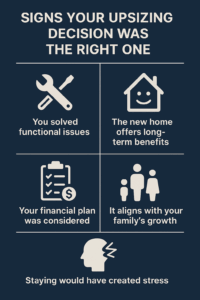
Signs Your Upsizing Decision Was the Right One
- You made the move to solve real, persistent functional issues – not impulsive ones.
- The new home offers meaningful long-term benefits such as space, flow, or location.
- Your financial plan was carefully considered and sustainable.
- Your reasons for moving align with your family’s growth and future needs.
- Staying in your old home would have continued creating stress, limitations, or discomfort.
The Regret Window: Why Doubts Peak After Moving
Even families who feel sure about their upsizing decision often experience a period of regret right after moving. This is known as the regret window, and it’s completely normal.
After the move, everything is unfamiliar. The floors sound different. The routines feel off. You might miss the way your old neighbourhood felt at night or how your kids’ rooms were arranged. Even small details – like where you used to keep your coffee mugs – can trigger a feeling of being displaced. Add in the chaos of unpacking, the stress of change, and the discomfort of not yet feeling settled, and doubt becomes almost inevitable.
The regret window is temporary. Once the new home becomes part of your daily rhythm – once you put up photos, find your favourite corners, learn the neighbourhood, and watch your family settle – regret fades. Routine builds attachment.
Most homeowners report feeling significantly better within 3-6 months of moving. For many, the regret window disappears even sooner.
How Familiarity Shapes Your Sense of Home
A home becomes meaningful not because of its walls, but because of the life that unfolds inside them. When you make an upsizing decision, you’re choosing a space that can support the future chapters of your family’s life. Those chapters haven’t happened yet, which means the emotional connection may lag behind the logic of the decision.
The fastest way to bridge that gap is through new rituals. Morning coffee in your new favourite spot. Chats in the kitchen while dinner cooks. Family movie nights. Walks through the neighbourhood. Each repeated moment creates a sense of place and belonging. The more you live in the new home, the more naturally it begins to feel like yours.
To get a clearer picture of what kind of home might truly support your long-term vision, you can view homes that are currently available across the GTA.
This process happens slowly but surely, and it’s the key to replacing doubt with attachment.
Financial Confidence Plays a Powerful Role
One of the biggest underlying fears families face is financial worry. A larger mortgage or increased monthly expenses can trigger what-if thinking: What if this becomes too much? What if we miscalculated?
Financial worry is often emotional – not mathematical.
If your upsizing decision was based on careful planning, realistic budgeting, and professional guidance, the numbers are likely sound. Still, emotional fear can linger. To reduce this, revisit the financial reasoning that guided your choice. Look at the long-term stability of your income, your planned expenses, the value you’re receiving, and the future equity you’re building.
Upsizing is not a short-term purchase. It’s a long-term investment in quality of life. Let numbers – not fear – frame how you see it.
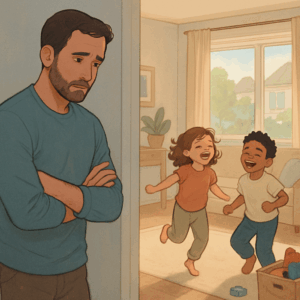
Kids, Family Dynamics, and the Fear of Disruption
Many parents worry that the move will be difficult for their children. This concern can intensify doubts about the upsizing decision , especially if the kids express sadness or resistance. But children adapt far more quickly than adults. What feels like a major disruption to parents often becomes an adventure for kids once routines resume and the excitement of new spaces kicks in.
Similarly, couples may fear that the stress of moving could strain their relationship. Most families find that once the initial adjustment passes, the additional space and improved functionality actually reduce daily friction.
In both cases, fear tends to exaggerate the potential downsides and underestimate the benefits.
Trusting That Growth Requires Change
The most meaningful truth about any upsizing decision is that growth requires change – yet change rarely feels comfortable in the moment. You made this decision because your home no longer aligned with your family’s needs, lifestyle, or future plans. That reason doesn’t disappear just because the transition feels emotionally complex.
As days become weeks and the home starts absorbing your routines, the doubt fades. The ease returns. The improvements become clear. For most families, the moment when they realize the upsizing decision was the right one happens quietly – when they finally experience a moment of peace or joy that wasn’t possible in their old home.
Maybe it’s watching the kids spread out to play without stepping over toys. Maybe it’s enjoying a morning coffee in a bright, spacious kitchen. Maybe it’s hosting a family without squeezing around a table. These small moments are the proof that your decision was grounded, thoughtful, and aligned with your family’s future.
Final Thoughts
Regret rarely comes from the upsizing decision itself. It comes from fear, unfamiliarity, and the temporary discomfort of transition. Once the new routines settle, once the house begins to feel like home, and once the long-term benefits reveal themselves in your daily life, the doubt subsides.
You made this decision for clear, valid reasons. Trust them. Trust the vision you had for your family. Trust that the home you chose will become a place where future memories grow. If you ever need guidance as you navigate your next steps (or need someone to place your trust in, the Halyard Group is a great team to connect with.