Realizing you didn’t qualify for the home you wanted can feel discouraging, especially for families who have spent months planning their next move. After juggling showings, school catchment areas, commute times, and space needs, being told the numbers do not work can feel like the door has suddenly closed.
For upsizing families, this moment often arrives after significant emotional investment. You may already be picturing extra bedrooms, a backyard, or finally having enough room for everyday life to feel easier. When financing does not line up with expectations, it can feel like progress has stalled.
If you didn’t qualify for the home you wanted, it does not mean your goals are unrealistic or that your move is off the table. It usually means your plan needs refinement. With the right next steps, families can stay grounded, protect their long-term stability, and continue moving forward with clarity.
First, Take a Breath Before Making Changes
When you realize that you didn’t qualify for the home you wanted, the instinct is often to react quickly. Some consider stretching budgets, others think about rushing into a different property, and many question whether now is even the right time to move.
Before making any decisions, it is important to pause. Mortgage qualification is one data point, not a judgment on your readiness or success. Lending criteria shift regularly, and qualification outcomes depend on far more than household income alone.
Taking time to understand why you didn’t qualify for the home you wanted allows you to make adjustments thoughtfully rather than emotionally. This moment is about strategy, not failure.
Understand What Limited Your Qualification
One of the most constructive steps you can take as a family if you didn’t qualify for the home you wanted is getting clear on the specific limiting factors. These often include debt ratios, stress test requirements, down payment structure, or existing financial obligations.
For many upsizing families, qualification challenges come from carrying an existing mortgage while planning the next purchase. Childcare costs, car loans, or recent life changes can also influence borrowing capacity more than expected.
Understanding these details allows families to adjust their expectations realistically. It also creates space for productive conversations about timelines, property types, and neighbourhood options that still support long-term goals.

Revisit Your Needs Versus Your Wants
When you didn’t qualify for the home you wanted, it can be useful to revisit what that home represented. Often, families realize they were aiming for a property that combined every upgrade at once. More space, a premium location, turnkey finishes, and future resale value.
Upsizing does not need to happen in one leap. For many families, separating immediate needs from long-term wants is how to choose a home successfully. Extra bedrooms, better layout, or access to green space may matter more right now than top-tier finishes or a specific street.
Adjusting expectations does not mean settling. It means prioritizing stability and growth over pressure and overextension.
Explore Different Neighbourhood Options Thoughtfully
Location plays a significant role in pricing, and if you didn’t qualify for the home you wanted – families often find flexibility by widening their neighbourhood search. This does not mean moving far from your life or community. It means exploring areas that may offer more space or value while still supporting family routines.
Neighbourhoods like East York, Wychwood, or parts of Scarborough can offer family-friendly layouts, parks, and school access at different price points than more competitive pockets. Exploring local neighbourhoods can help families compare amenities, lifestyle fit, and long-term potential without rushing decisions. Understanding how different communities function day to day often reframes what feels possible.
Adjust the Timeline Instead of the Goal
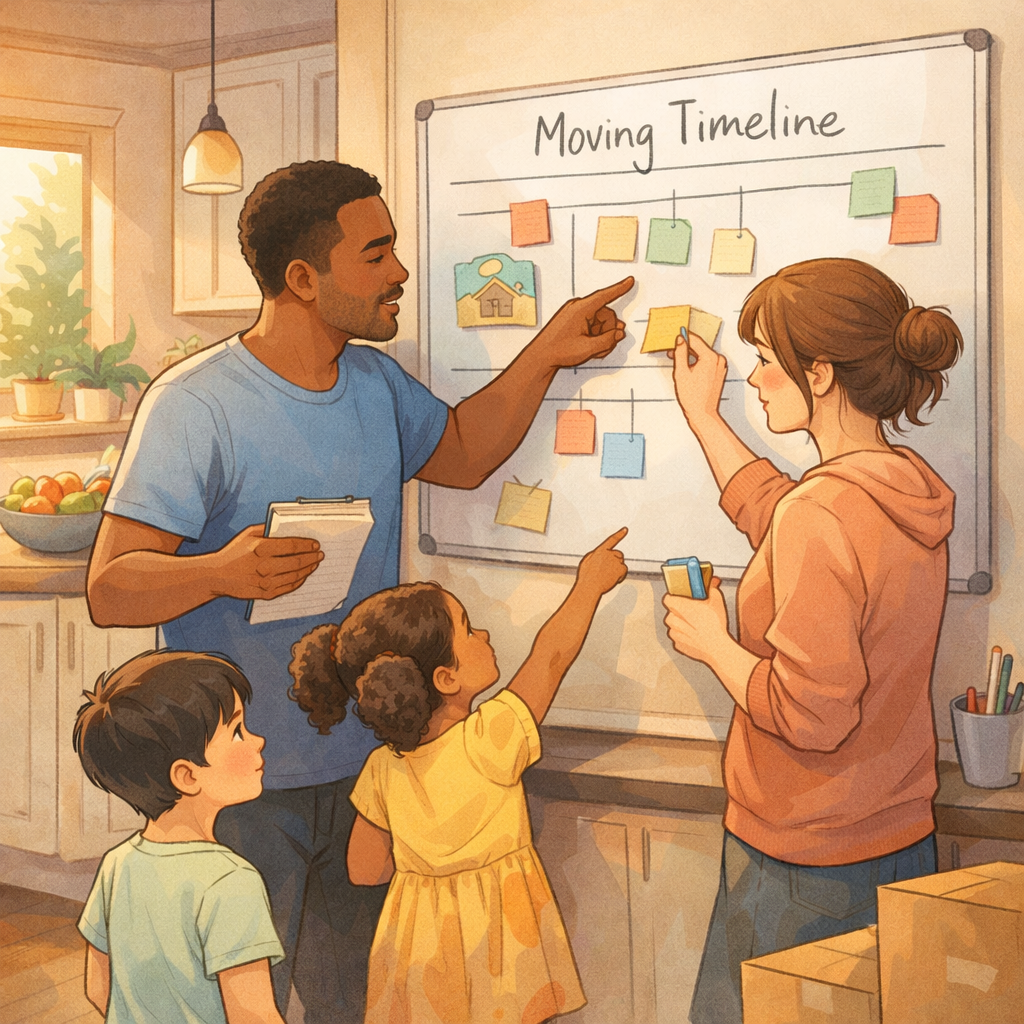
If you didn’t qualify for the home you wanted, adjusting timing can be more effective than changing direction entirely. For some families, waiting six to twelve months allows for debt reduction, savings growth, or income changes that meaningfully improve qualification.
This approach often brings relief. Rather than abandoning the move, families create a clearer runway toward it. A revised timeline can also allow children to finish a school year or families to transition routines more smoothly.
Staying connected to current listings during this period helps families track pricing trends and stay informed without pressure. Monitoring available homes provides ongoing market context and keeps goals grounded in reality.
Consider Stepping Stones Instead of Final Homes
Another option for families who didn’t qualify for the home you wanted is exploring a stepping-stone purchase. This may be a modest upgrade that improves daily living without fully maxing out borrowing capacity.
For example, moving from a condo to a small freehold, or from a tight semi to a slightly larger one in a different area, can still deliver meaningful quality-of-life improvements. Over time, equity growth and financial flexibility can support a second move with less strain.
This strategy works best when families focus on functionality and long-term planning rather than perfection. It turns a temporary setback into part of a broader progression.
Protect Emotional Well-Being During the Process
It is easy to underestimate how emotional it can feel when you didn’t qualify for the home you wanted. Children may sense stress, and parents often carry pressure quietly while trying to hold everything together.
Acknowledging disappointment without rushing to fix it is important. Moves represent hope, stability, and future planning. When plans change, it is normal to feel unsettled.
Creating structure during this phase is just as important as creating structure when your family does move. It helps your family’s dynamic regain balance. Keeping routines consistent, setting check-in points for decision-making, and avoiding constant comparison with other buyers all support emotional resilience.

Use Market Knowledge as a Stabilizing Tool
One of the most grounding things families can do after they didn’t qualify for the home you wanted is stay informed. Market conditions shift, and what feels impossible today may look different in six months.
Reading local market updates and related articles can help families contextualize their experience. Many others are navigating similar challenges, particularly in changing interest rate environments.
Knowledge reduces fear. It replaces speculation with understanding and helps families make decisions based on facts rather than urgency.
Rebuild Confidence Before Re-Entering the Market
Before jumping back into showings or applications, families benefit from rebuilding confidence in their plan. This may include refining budgets, clarifying non-negotiables, or mapping out multiple scenarios.
If you didn’t qualify for the home you wanted, the goal is not to push harder immediately. It is to return to the market with clarity, alignment, and confidence.
When families feel informed and supported, they are better equipped to recognize the right opportunity when it appears.
When Support and Perspective Matter Most
There is no single correct response when you didn’t qualify for the home you wanted. Every family’s situation is unique, shaped by finances, timing, children’s needs, and long-term priorities.
Having experienced guidance can help families see options they may not have considered and avoid decisions driven by stress. Even exploratory conversations can provide reassurance and direction without pressure.
If you are looking to understand your next steps or explore how your family’s plan can evolve, connecting with a trusted real estate team can offer clarity. The Halyard Group provides a starting point for thoughtful, low-pressure conversations focused on long-term outcomes rather than quick decisions.
The Bigger Picture: Progress Is Rarely Linear
If you didn’t qualify for the home you wanted, it does not define your journey or limit your future options. Upsizing is rarely a straight line. It is a series of adjustments, learnings, and recalibrations.
Families who approach this moment with patience and perspective often emerge with stronger plans and more sustainable outcomes. The right home, in the right place, at the right time is still possible.
Sometimes, the pause you did not expect becomes the step that makes everything else work better.