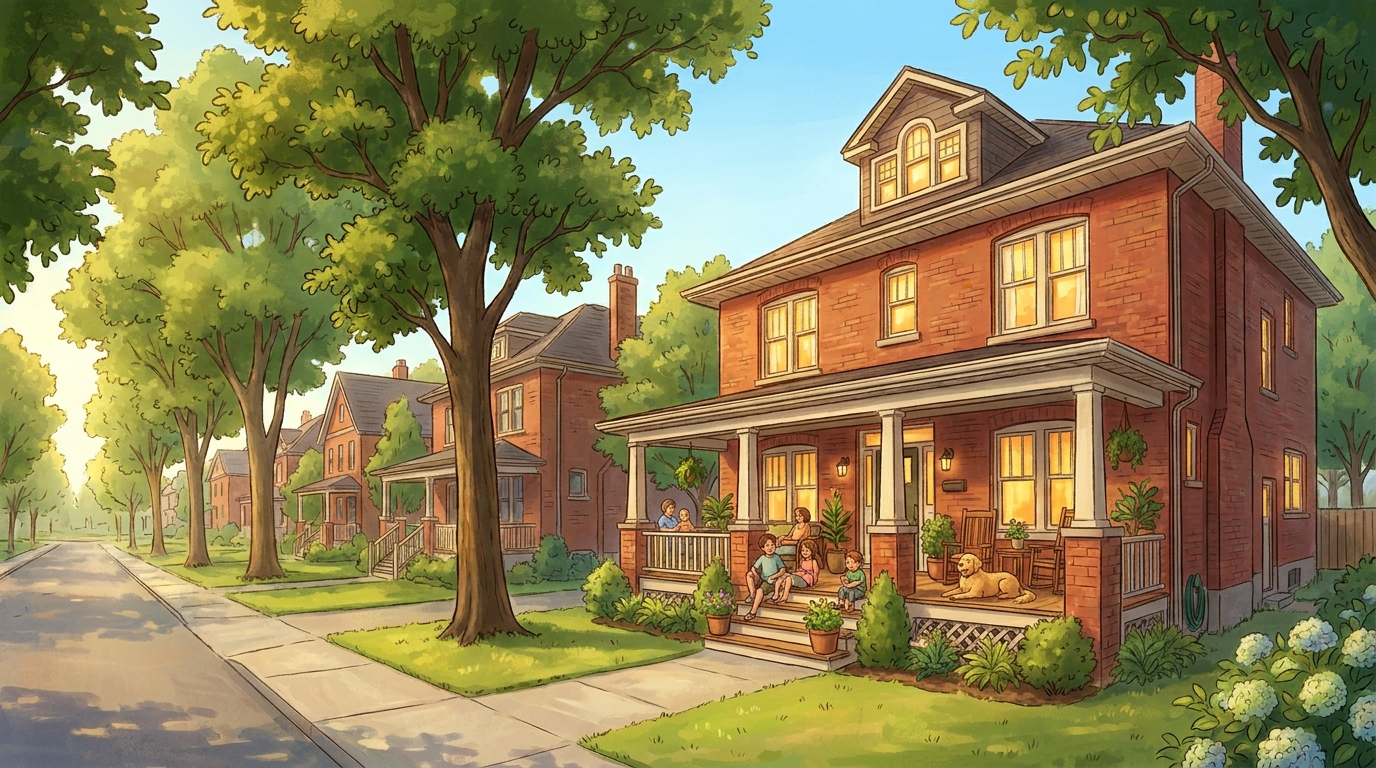
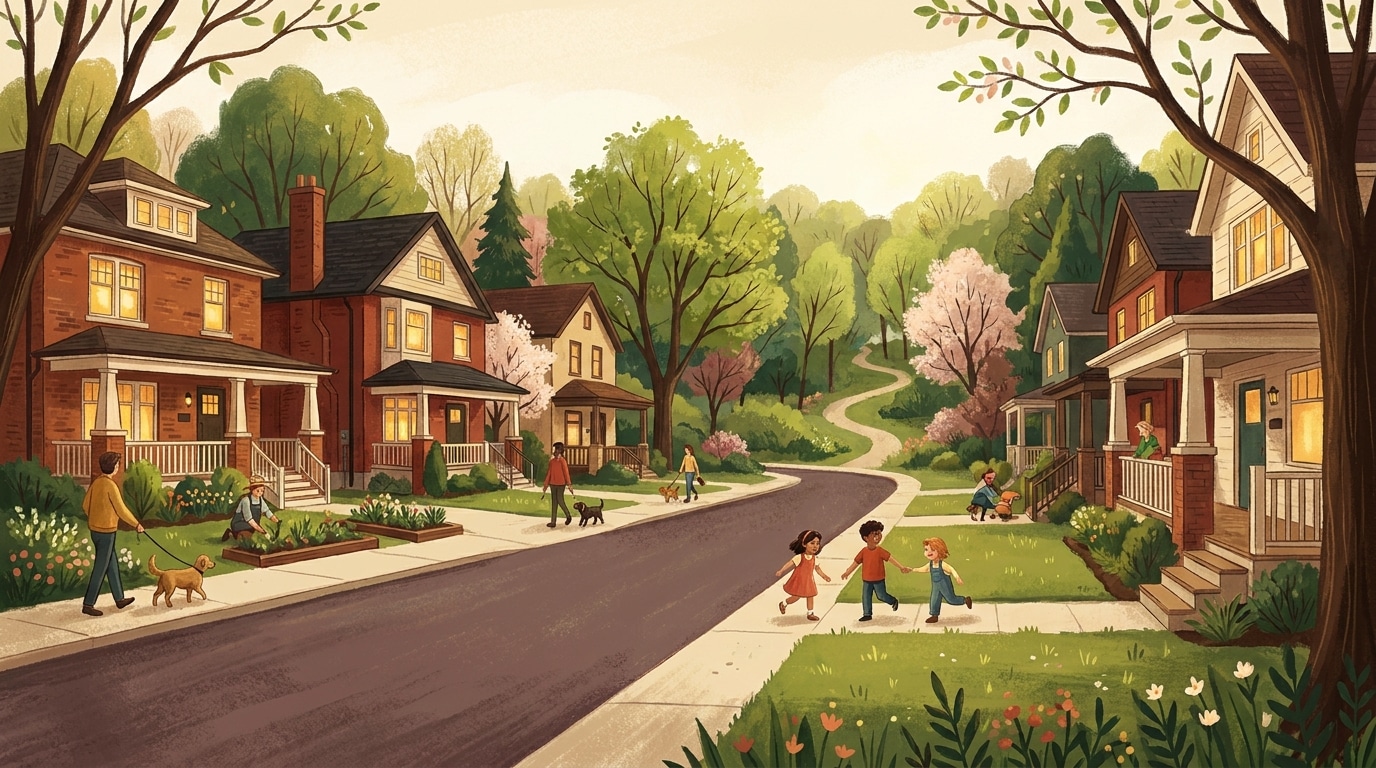
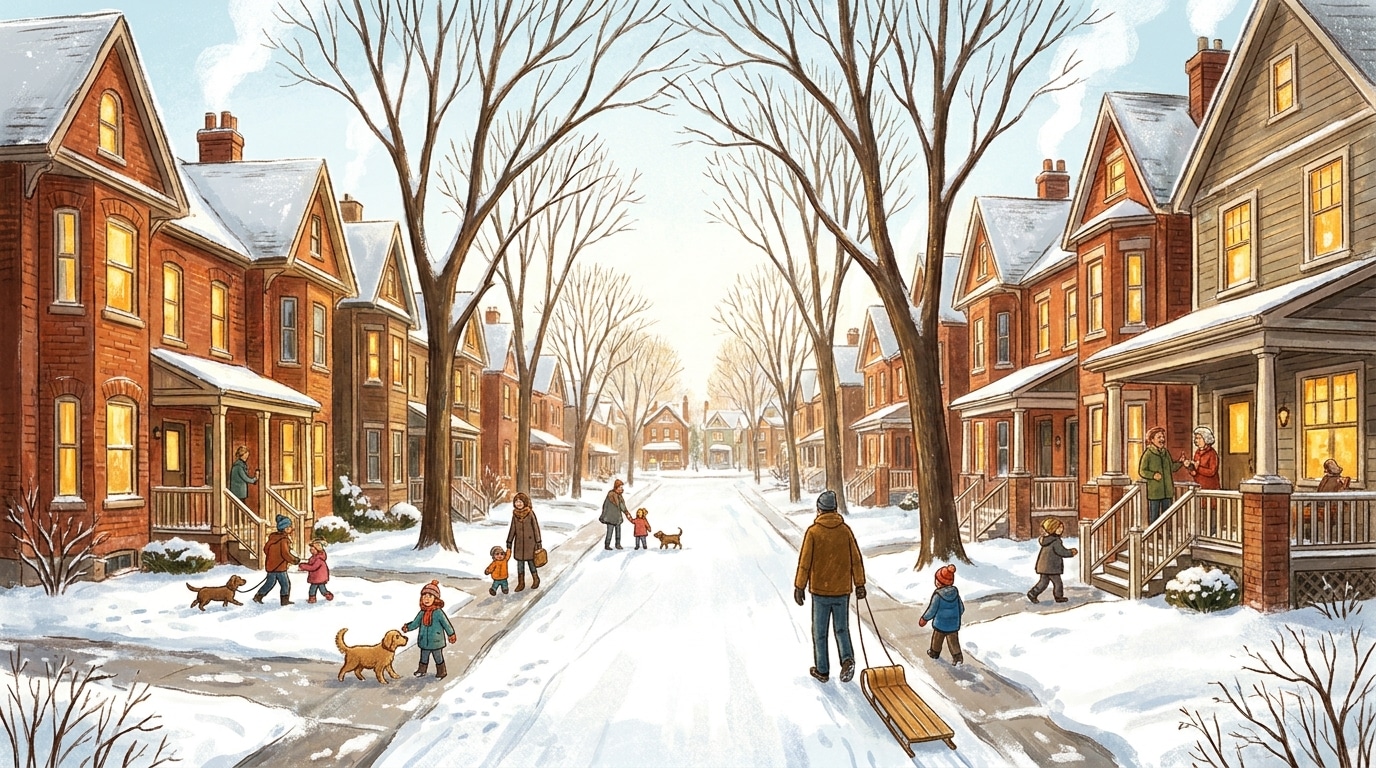
As families think more intentionally about where they want to put down roots, quiet Toronto neighbourhoods continue to stand out as long-term choices. For many households, the appeal is not about being close to the busiest streets or trendiest destinations. It is about stability, predictability, and a sense of ease that supports daily life over many years.
Quiet Toronto neighbourhoods are often chosen by families who value walkability without congestion, green space without isolation, and community connection without constant turnover. These areas tend to attract homeowners who are planning ahead, raising children, and thinking beyond short-term market shifts.
Why Quiet Neighbourhoods Matter More Over Time
When families first enter the housing market, location decisions are often shaped by commute times or affordability. As households grow and priorities shift, the importance of quiet Toronto neighbourhoods becomes clearer.
Noise levels, traffic flow, and neighbourhood rhythm play a larger role in quality of life than many people anticipate. Quiet streets support better sleep, safer outdoor play, and a calmer daily pace. Over time, these factors influence how comfortable a home feels and how connected families become to their surroundings.
Quiet Toronto neighbourhoods often maintain stronger long-term ownership patterns. This stability contributes to well-kept older homes, engaged residents, and a sense of familiarity that many families value as their children grow.
What Defines Quiet Toronto Neighbourhoods
Quiet Toronto neighbourhoods are not necessarily far from the city core. Many are well connected to transit, schools, and amenities while still offering a residential feel.
Common characteristics include lower traffic volume, a high percentage of owner-occupied homes, tree-lined streets, and access to local parks or ravines. These neighbourhoods tend to have fewer short-term rentals and less commercial density, which contributes to a more consistent community environment.
Families looking for quiet Toronto neighbourhoods often prioritize predictability over novelty. They are drawn to areas where daily routines feel manageable and where long-term planning feels realistic.
East End Neighbourhoods With Lasting Appeal
Several east-end quiet Toronto neighbourhoods have become popular with families seeking balance between urban access and residential calm.
Playter Estates is often noted for its wide streets, mature trees, and proximity to schools and parks. The neighbourhood offers a village-like feel while remaining close to transit and the Danforth. Families are drawn to its sense of permanence and strong community identity.
Cliffside provides a quieter pace near the Scarborough Bluffs, appealing to families who value green space and a slightly slower rhythm. These quiet Toronto neighbourhoods offer larger lots and less density while still maintaining access to city infrastructure.
Riverdale also includes pockets that feel distinctly residential despite their proximity to busier corridors. Tree-lined side streets and community parks contribute to its long-term family appeal.
West End Neighbourhoods Known for Calm Living
On the west side of the city, quiet Toronto neighbourhoods often combine charm with practicality.
Bloor West Village offers residential streets just steps from shops, schools, and transit. Families appreciate the ability to access amenities without living directly on busy roads. The neighbourhood’s consistent character has made it a long-term choice for many homeowners.
Roncesvalles includes quieter residential pockets that appeal to families seeking community involvement and walkability. Side streets offer a calmer environment while maintaining proximity to parks and transit.
The Kingsway is another example of a neighbourhood where quiet streets and established homes attract families planning to stay long term. Larger properties, green space, and a strong residential identity contribute to its appeal.
Midtown Areas That Balance Quiet and Convenience
Midtown quiet Toronto neighbourhoods are particularly attractive to families who want access to transit without sacrificing calm surroundings.
Mount Pleasant East is frequently chosen for its residential streets, school access, and proximity to parks. This neighbourhood allows families to remain close to downtown while enjoying quieter evenings and weekends.
Moore Park is often cited for its privacy, green space, and long-term stability. While home prices reflect its desirability, families who choose Moore Park often do so with a multi-decade outlook in mind.
Quiet Toronto neighbourhoods in midtown tend to offer a balance that supports both working parents and growing families.

How Schools and Green Space Influence Decisions
Schools and green space play a significant role in why families gravitate toward quiet Toronto neighbourhoods. Areas with well-regarded public schools often develop strong community ties, as families remain in place for longer periods.
Access to parks, ravines, and recreational facilities supports outdoor activity and contributes to a sense of calm. Neighbourhoods like Humber Village often feel removed from city noise even when they are not geographically distant.
It’s a common occurrence for families with children to prioritize neighbourhood stability and access to green space when choosing long-term housing and quiet Toronto neighbourhoods frequently align with these priorities.
Traffic Patterns and Daily Experience
One of the most overlooked factors when evaluating quiet Toronto neighbourhoods is traffic flow. Streets that are not used as commuter shortcuts tend to feel safer and more peaceful throughout the day.
Families often notice differences during school drop-off times, weekends, and evenings. Neighbourhoods designed with limited through traffic create an environment where children can play outside and residents feel comfortable walking or cycling locally.
Over time, these small daily experiences shape how families perceive their home and neighbourhood.
Long-Term Value Beyond Market Cycles
Quiet Toronto neighbourhoods often demonstrate resilience through market fluctuations. While price growth varies, these areas tend to retain appeal because they are not driven by short-term trends.
Families who choose these neighbourhoods are often less concerned with rapid appreciation and more focused on consistency. This perspective aligns well with long-term ownership and lifestyle stability.
Using Listings as Context, Not Pressure
Reviewing available homes can help families understand what quiet Toronto neighbourhoods look like in practice. Observing price ranges, home styles, and lot sizes across areas helps set realistic expectations.
Current Toronto listings can offer insight into how inventory varies by neighbourhood and what types of homes are available for long-term living. These neighbourhoods often have lower turnover, which means opportunities may appear less frequently but align more closely with long-term ownership.
Building Confidence Through Information
Choosing a neighbourhood is one of the most significant decisions families make. Quiet Toronto neighbourhoods appeal because they reduce uncertainty and support a more predictable daily life.
Families often find it helpful to explore broader market and lifestyle insights through trusted resources. These resources contain related discussions that provide additional context around long-term housing decisions – making your next move that much easier.
Information, when used thoughtfully, supports clarity rather than urgency.
A Long-Term Perspective on Where to Live
Quiet Toronto neighbourhoods continue to attract families who value stability, connection, and livability. These areas are chosen not for quick returns or short-term convenience, but for how they support family life year after year.
By focusing on daily experience, community rhythm, and long-term comfort, families can make neighbourhood decisions that feel grounded and sustainable.
For those who want to ask thoughtful questions or better understand how different neighbourhoods align with their plans, connecting with a knowledgeable local team can be part of that process.
Quiet neighbourhoods offer families something increasingly valuable in an urban environment: a sense of calm that lasts.