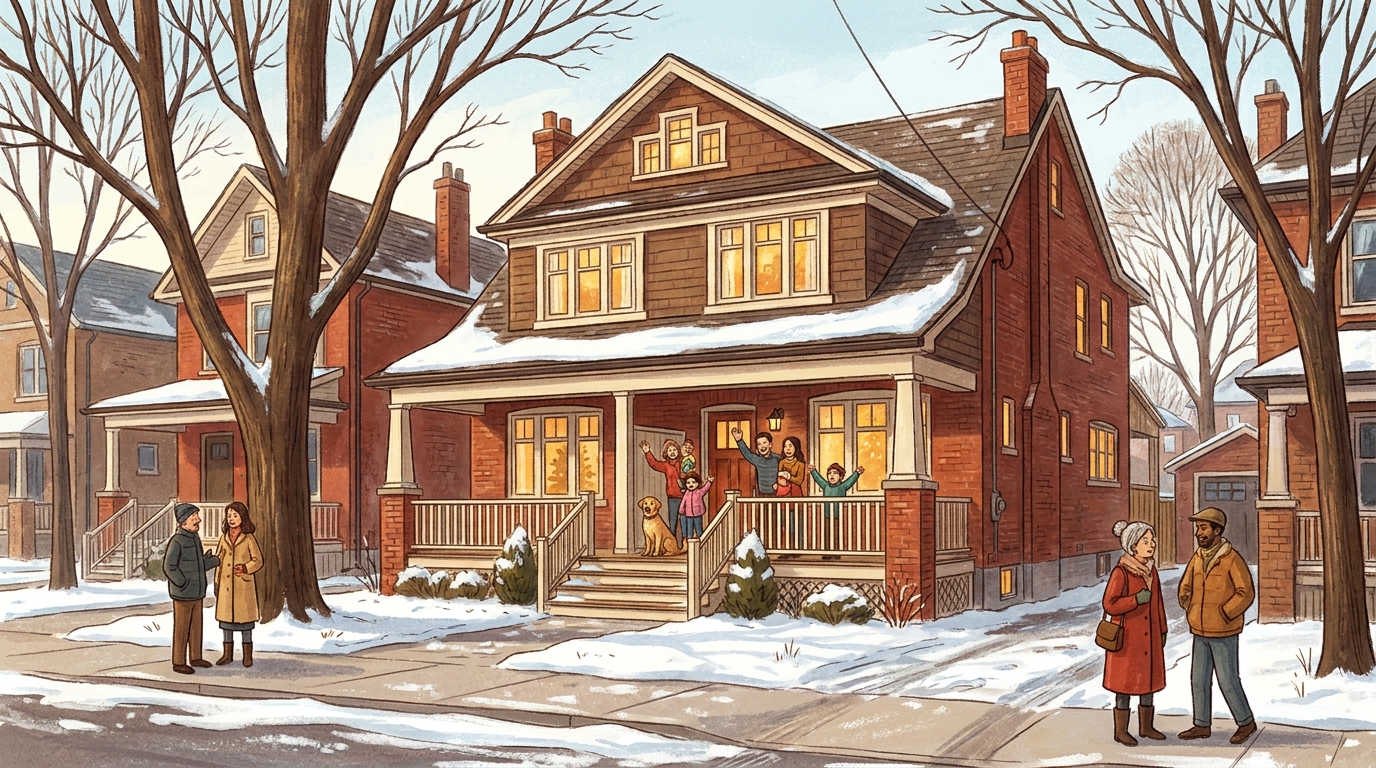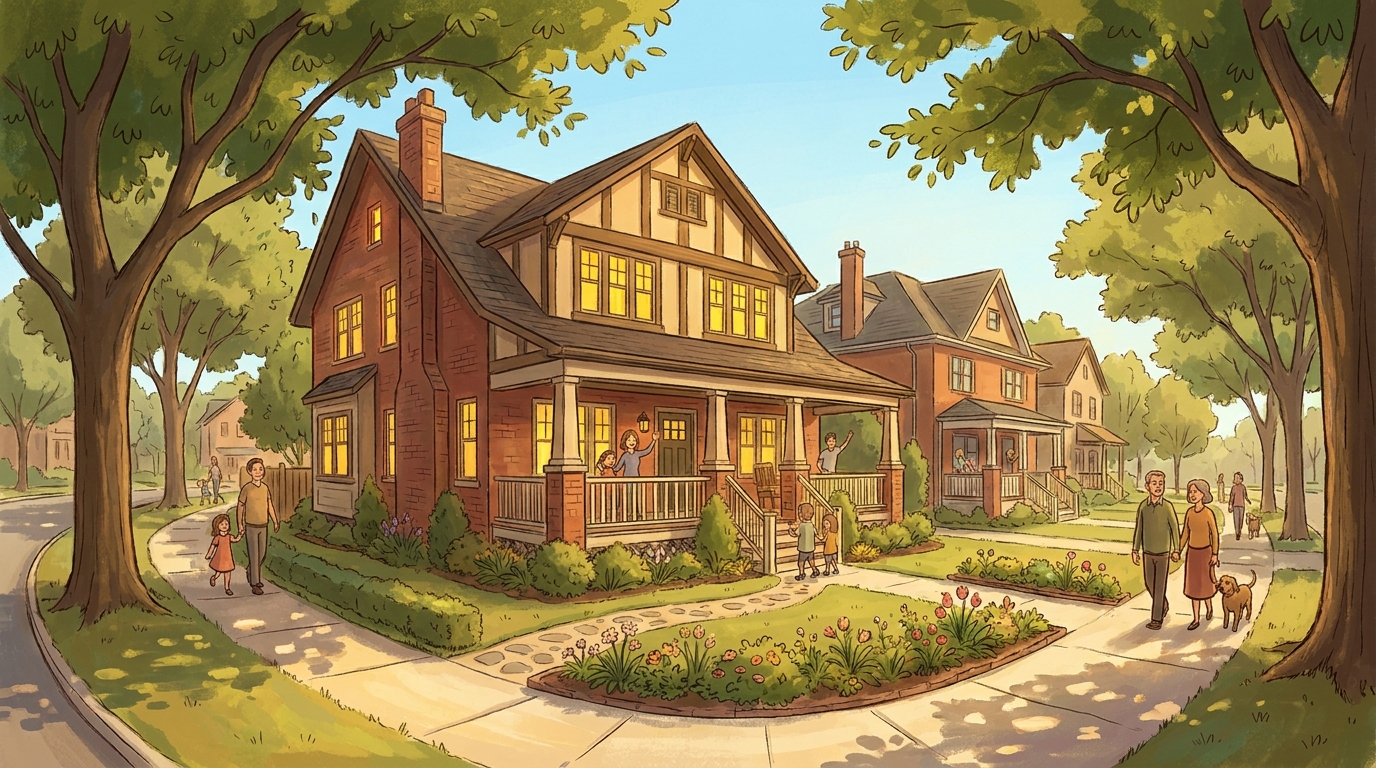
For years, the trade-off felt predictable. If you wanted more space in the Greater Toronto Area, you accepted a longer drive. Bigger backyard, longer commute. More bedrooms, further from the grocery store. Families moving out of condos or starter homes quietly accepted this as the cost of upsizing.
That trade-off is shifting. Moving closer to amenities has become one of the most consistent motivators for GTA families who are upsizing right now, and the homes that deliver on both space and access are drawing serious attention. Understanding why this is happening, and what it actually looks like in practice, can help your family move with more clarity and less compromise.
The Old Assumption No Longer Holds
The idea that space requires sacrifice made sense when suburban growth pushed outward in a single direction. However, the GTA has matured considerably over the past two decades. Transit corridors have expanded. Mixed-use neighbourhoods have emerged throughout the inner suburbs. Walkable streets with independent shops, parks, and services now exist well beyond the downtown core.
As a result, moving closer to amenities does not necessarily mean downsizing or heading back to a condo. It means being more intentional about where you upsize. Families are realising that a four-bedroom detached home in a well-serviced neighbourhood can offer the best of both, and that the search for that combination is worth the effort.
What Families Actually Mean by Amenities
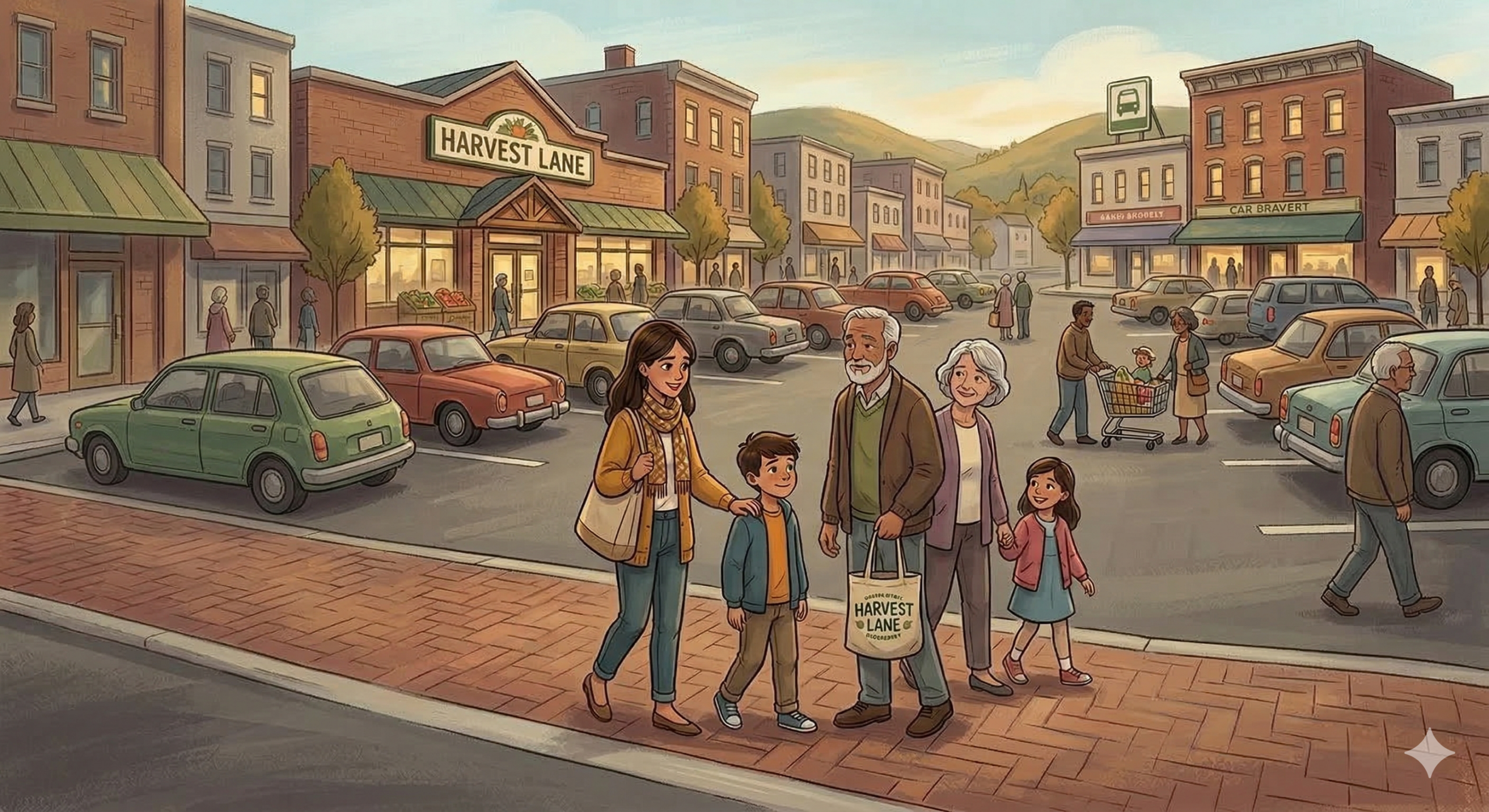
When upsizing families talk about moving closer to amenities, they tend to mean a specific cluster of daily conveniences rather than entertainment options or luxury features. The most frequently cited include walkable grocery stores, respected school catchments, accessible green space, public transit links, and independent coffee shops or restaurants within a short drive or walk.
The underlying motivation is time. Families between 35 and 55 are often managing dual careers, children’s schedules, and aging parents simultaneously. A home that reduces driving time between daily tasks does not just feel more convenient. It genuinely returns hours to the week. Moving closer to amenities in this context is a quality-of-life decision as much as a real estate one.
It is also worth noting that proximity to strong amenities tends to support long-term property values. Neighbourhoods with established services, good transit access, and desirable schools have historically held their value well across market cycles. For families treating their upsizing move as a long-term asset decision, this matters.
How This Is Shaping Upsizing Decisions in the GTA
The practical effect of this shift is that families are broadening their search criteria in interesting ways. Rather than filtering by square footage alone, buyers are increasingly layering in walkability scores, school ratings, and commute times alongside price and property type.
This has made certain inner suburban neighbourhoods significantly more competitive. Areas that offer larger detached homes alongside genuine walkability and transit access attract strong interest from move-up buyers who might previously have looked further afield. Moving closer to amenities, when combined with the right property, has become a compelling reason to stay within established parts of the city rather than push further out.
For families beginning to define what their next home should offer, exploring Toronto neighbourhoods by amenity profile can be a practical starting point. Understanding which communities align with your family’s daily rhythm often shapes the search more effectively than starting with property type or price.
Neighbourhoods Where Space and Access Intersect
Several established Toronto communities have emerged as natural fits for families moving closer to amenities without giving up the room they need.
Danforth Village offers detached and semi-detached homes along streets that feed directly into one of Toronto’s most active commercial corridors. Families value its density of independent grocers, restaurants, and services alongside strong transit access on the Bloor-Danforth line. For households prioritising moving closer to amenities, the daily convenience here is built into the fabric of the neighbourhood rather than added on.
Clairlea-Birchmount appeals to families who want meaningful space at a price point that still allows for a well-considered purchase. Its residential streets are quiet and established, while proximity to the Scarborough RT corridor and nearby retail nodes along Kingston Road give it genuine accessibility. The combination of larger lot sizes and walkable services makes it a practical fit for upsizing households with an eye on daily logistics.
Moore Park draws families looking for a longer-term base in a neighbourhood with strong fundamentals. Detached homes, ravine access, and proximity to some of Toronto’s most respected school catchments make it a consistent draw for households moving closer to amenities while also thinking about the decade ahead. Its established character and green surroundings give it a sense of permanence that resonates with families at this stage.
These are not the only communities worth considering, but they illustrate a broader pattern. The neighbourhoods where families are finding the most satisfaction tend to be those where moving closer to amenities happened by design, communities built around daily life rather than car dependency.
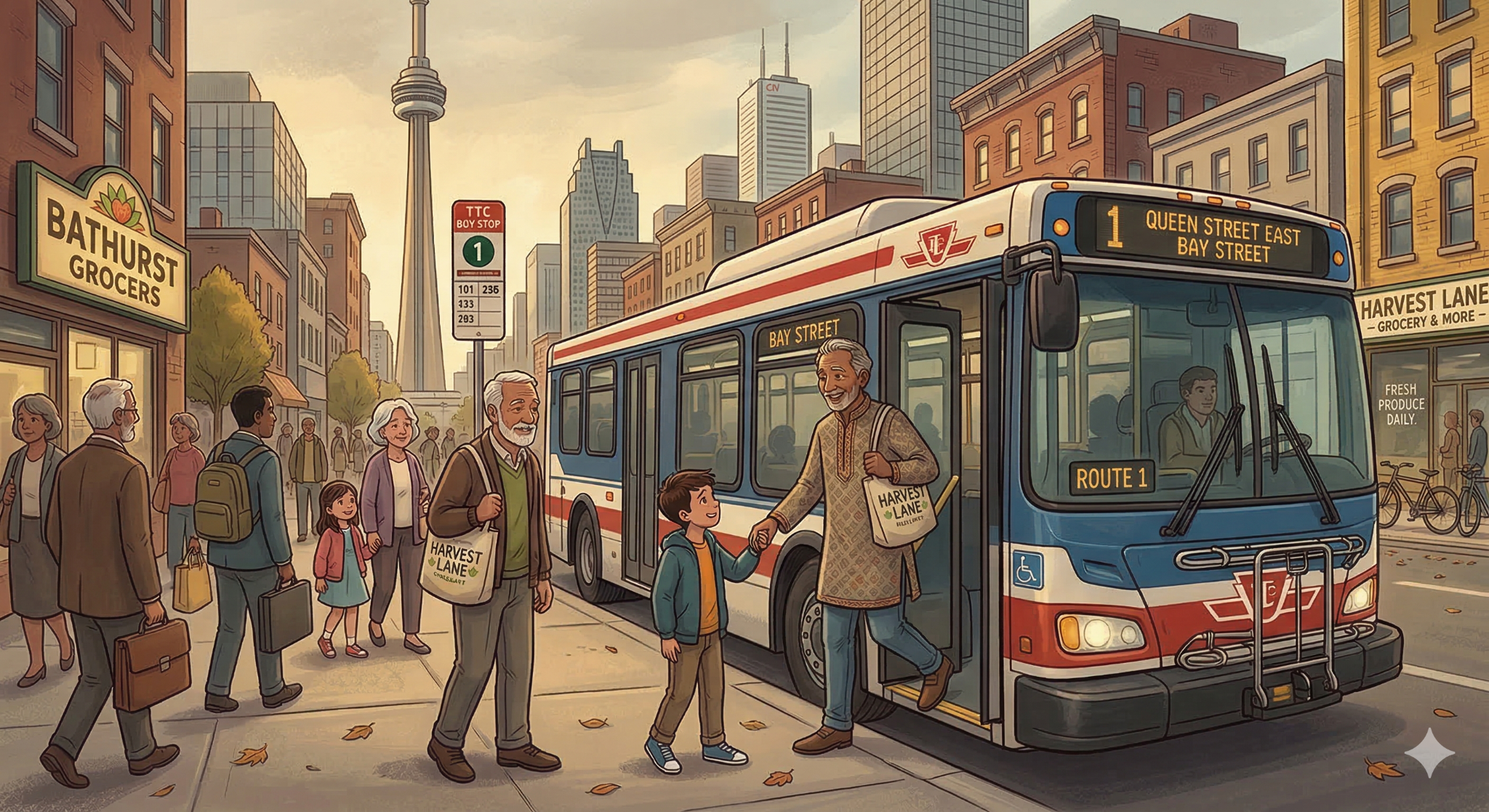
The Role of the Commute in All of This
Commute patterns have changed. Hybrid work arrangements have become standard for many GTA professionals, which has shifted how families think about location. Rather than optimising purely for distance to a single office, many households are now balancing occasional downtown trips with a preference for walkable, well-serviced communities that support daily life the rest of the week.
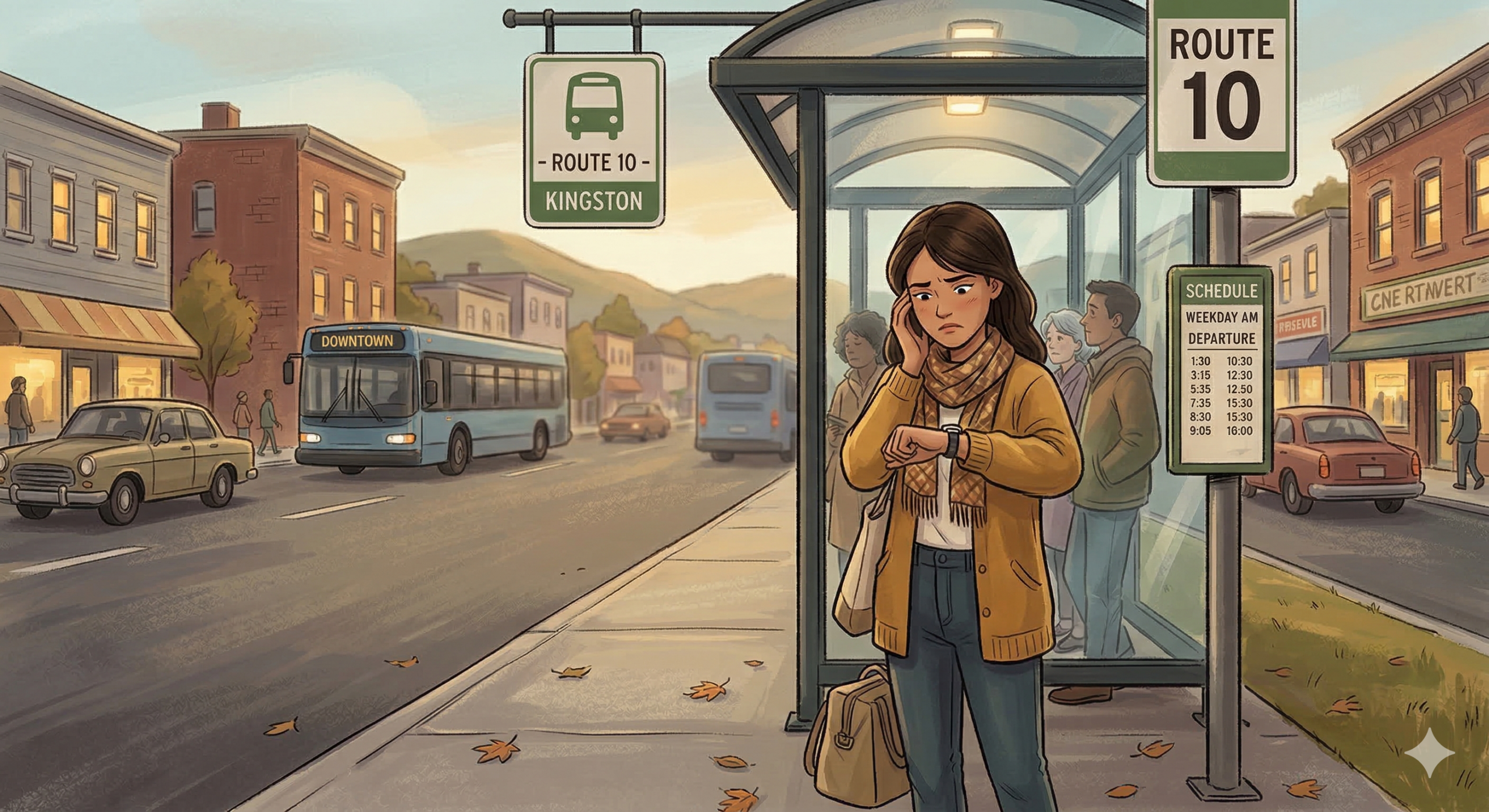
Moving closer to amenities in this context serves both goals. A home well-positioned relative to transit corridors makes the occasional commute manageable. A walkable neighbourhood with good services makes the days spent at home more functional and less car-dependent. For dual income households coordinating children’s activities, that balance has real value.
It is also worth acknowledging that not all families are moving closer to amenities from the same starting point. Some are coming from dense downtown neighbourhoods and are genuinely moving outward, but selecting communities with better services than the traditional suburban model. Others are already in the inner suburbs and are making lateral moves to gain more space without sacrificing the walkability they have come to rely on.
What to Look for in a Property
When moving closer to amenities is a genuine priority, the property evaluation process shifts slightly. In addition to the standard checklist of square footage, layout, and condition, families benefit from asking questions about what is actually within reach on foot or a short drive.
How far is the nearest grocery store? Is there a school within the catchment that suits your children’s ages and needs? Are there parks or green spaces that work for your family’s routines? What does the transit access look like for the days you do commute? These are not abstract questions. They shape how the home functions day to day, and how satisfied your family will feel in the first year after a move.
Reviewing current listings across the GTA with these filters in mind can help narrow the search early. Properties that check the space and amenity boxes simultaneously do come available, and knowing what to look for makes it easier to act when the right one appears.
Moving With a Clear Set of Priorities
The families who feel most satisfied after upsizing tend to be the ones who identified their true priorities before beginning the search in earnest. Space matters. Budget matters. But the daily texture of life in a new neighbourhood, how easy it is to get groceries, how long the school run takes, how quickly you can reach a park, shapes the long-term experience of a home more than many families anticipate.
Moving closer to amenities is not a compromise. For many GTA families, it is the defining criteria of a successful upsizing move. It is the factor that turns a larger house into a home that genuinely supports the way your family lives.
If you are beginning to think through what that looks like for your household, speaking with a knowledgeable Toronto real estate team who understands the intersection of space, location, and long-term value can bring a great deal of clarity to the process.