An inheritance arrives differently for every family. Sometimes it is expected, the result of years of watching a parent age and planning quietly alongside them. Other times it arrives suddenly, leaving families to navigate grief and financial decisions at the same time. In either case, the question of what to do with the money carries real weight.
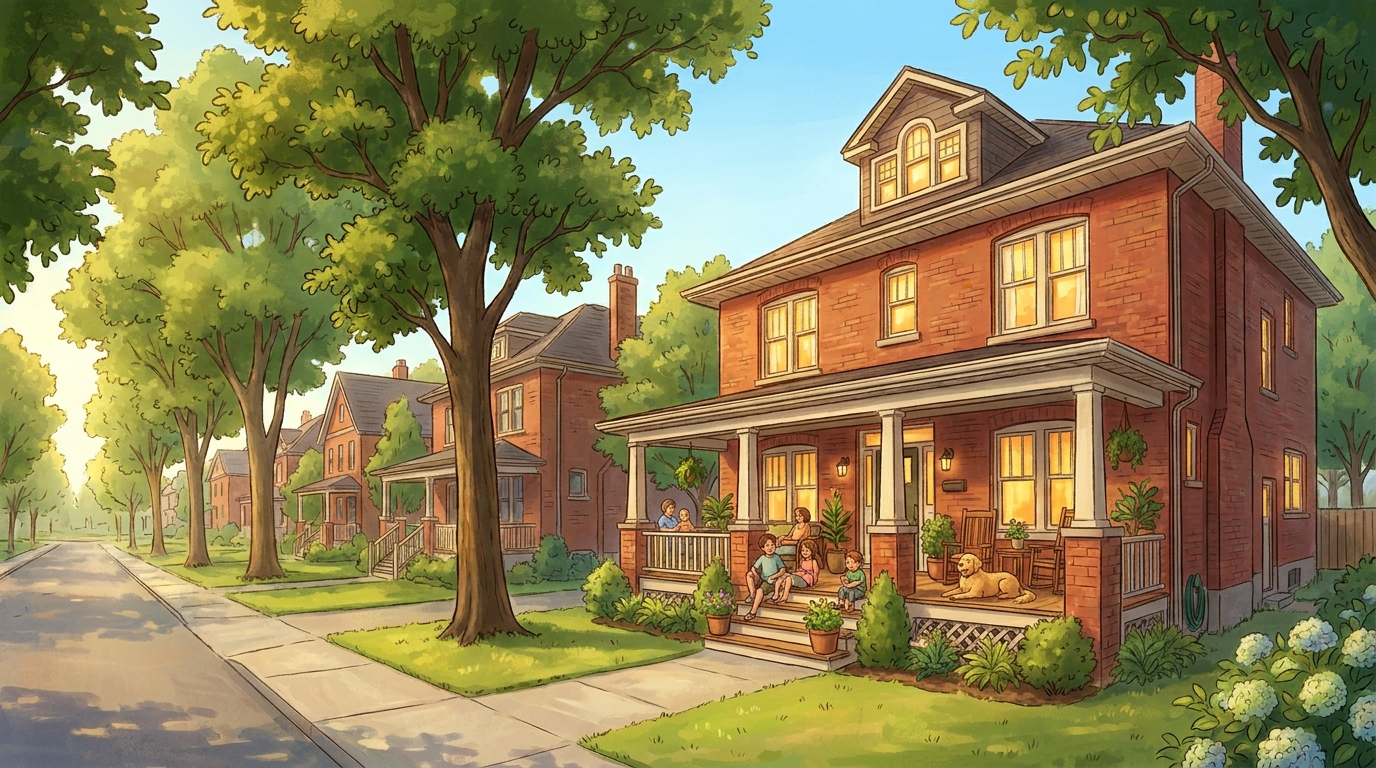
For families who have been considering a move to a larger home, buying a home with an inheritance can feel like both an opportunity and a responsibility. The funds may finally make an upsizing move possible in a market like Toronto, where the gap between a current property and the next one can be significant. However, the emotional context, the timing, and the practical steps all deserve careful consideration before any decisions are made. Families who have already started thinking about what defines a long-term home for Toronto families today will find that an inheritance often brings that conversation into sharper focus.
This post is written for families who are somewhere in that middle ground: past the initial shock of a loss, beginning to think clearly about the future, and wondering whether buying a home with an inheritance makes sense for where their family is headed.
Why Inheritance Often Becomes a Turning Point for Upsizing Families
For many dual-income families in Toronto, the challenge of upsizing is not income. It is the gap between what their current equity provides and what is needed for a meaningful step up in property. A well-located detached home with four bedrooms, a proper backyard, and a dedicated workspace does not come at a modest premium over a townhouse. That gap is often where upsizing plans stall.
Buying a home with an inheritance can bridge that gap in a way that years of diligent saving sometimes cannot. It may mean the difference between a comfortable down payment and one that repositions your mortgage to a genuinely manageable level. It may make a particular neighbourhood suddenly realistic. Or it may simply give a family the financial confidence to move forward on a decision they had been deferring.
The Emotional Side of Buying a Home With an Inheritance
It would be incomplete to talk about buying a home with an inheritance without acknowledging what it often represents. The funds typically come from the estate of a parent or grandparent. They carry history. They may have been built over a lifetime of work, savings, and sacrifice.
Some families feel a strong sense of purpose in using an inheritance to secure a long-term home. There is something meaningful about directing those funds toward stability, toward roots, toward a space that the next generation can grow into. Others feel uncertainty about spending money that arrived through loss.
Both responses are reasonable. What tends to help is giving yourself sufficient time to let the emotional and financial decisions breathe separately. Grief counsellors and financial advisors consistently note that major financial decisions made in the immediate aftermath of a loss can be harder to undo and easier to regret. If the timeline is flexible, allowing a few months before committing to a purchase can bring more clarity to the process.
When families do feel ready, buying a home with an inheritance often carries a particular sense of intentionality. The decision has been considered, not rushed. That grounding tends to make the home feel more meaningful from the start.
Tax and Legal Considerations Before You Proceed
Canada does not have an inheritance tax, but that does not mean there are no financial implications to consider before buying a home with an inheritance. The estate itself may have tax obligations related to deemed disposition of assets, and the distribution process involves legal steps that vary depending on whether a will was in place and how the estate was structured.
Before directing inherited funds toward a property purchase, it is worth confirming with an estate lawyer or accountant that the funds have cleared probate and are fully available. In Ontario, the probate process can take several months depending on the complexity of the estate. Rushing a home purchase before those funds are confirmed and accessible can create real logistical complications, particularly in a market where closing timelines are often firm.
If the inheritance includes property rather than liquid assets, the considerations become more nuanced. Families inheriting a family home may need to decide whether to sell that property and apply the proceeds to their own purchase, or whether holding it as a rental asset makes more financial sense. Understanding the moving costs involved in an upsizing transaction is equally important on the buying side, so that inherited funds are directed with a complete picture of what the move actually costs.

How to Structure the Funds Wisely When Buying a Home With an Inheritance
Once the funds are confirmed and available, the question becomes how to use them most effectively when buying a home with an inheritance. There are generally a few approaches families consider, and the right one depends on individual financial circumstances.
The most straightforward application is a larger down payment. In Toronto, increasing your down payment meaningfully reduces your mortgage principal, lowers monthly carrying costs, and can eliminate the need for mortgage default insurance if you reach the twenty percent threshold. For families buying at higher price points, a larger down payment also provides more negotiating flexibility during the purchase process.
Some families choose to split the inheritance between a down payment and a reserve fund for immediate home costs. A larger property comes with higher upfront costs: updates, furnishings, and systems work that may be needed before the home functions well for the family. Having that buffer available without touching mortgage credit is a practical approach that reduces financial pressure in the first year.
Others consider the inheritance in the context of their longer-term financial plan, directing a portion toward retirement savings or education funds and using the remainder for the home purchase. There is no single right answer, but working through the options with a financial planner before reviewing available listings ensures the home you target is one your overall finances can comfortably support.
Choosing the Right Property When Buying a Home With an Inheritance
An inheritance can expand what is possible. It can bring neighbourhoods into reach that were previously just outside your budget. For families buying a home with an inheritance in Toronto, this often means the opportunity to move into a property that genuinely fits the next ten to fifteen years of their lives, rather than settling for a partial step up.
That expanded possibility is worth using thoughtfully. The temptation when additional funds become available is to extend the budget further than planned, reasoning that the windfall justifies a higher spend. It is worth it to note that buying a home with an inheritance does not mean eliminating financial discipline. It means applying those funds strategically to close the gap between your current situation and the home that truly suits your family.
For families with school-age children, the inheritance may open access to some of Toronto’s strongest school neighbourhoods that were previously at the edge of your budget. Areas like Bloor West Village offer the kind of long-term stability that aligns well with the intention behind buying a home with an inheritance: creating a foundation, not just acquiring a property. Exploring the full range of Toronto neighbourhoods with your new budget in mind can open options you may not have seriously considered before.
It is also worth being realistic about what the property needs at the time of purchase. A home that requires significant immediate work can absorb a substantial portion of an inheritance that might have been better preserved as a financial buffer. A pre-purchase home inspection and an honest assessment of deferred maintenance can protect families from buying a home with an inheritance only to find the funds redirected toward repairs in the first year.
Buying a Home With an Inheritance as a Couple: Aligning on the Decision
When both partners are involved in a purchase, buying a home with an inheritance that belongs to one partner can introduce some complexity worth navigating deliberately. Whose inheritance is it? How is it factored into shared finances? What happens to that contribution if circumstances change?
These are not purely legal questions, though legal advice from a family lawyer is worth seeking for clarity. They are also relational questions. Families who have had transparent conversations about how an inheritance fits into their shared financial picture tend to approach the purchase with more alignment and fewer tensions downstream.
Taking the time to make housing decisions as a couple before moving into active property searches sets a stronger foundation for the entire process, regardless of where the down payment originates. Aligning on priorities such as neighbourhood, school catchments, and how much of the inheritance to direct toward the home versus other goals can prevent the process from feeling rushed or one-sided.
When the Timing Does Not Feel Right
Not every family will be ready to move forward with buying a home with an inheritance immediately, and that is a legitimate position to hold. If the estate is still in probate, if the grief is still fresh, or if there is uncertainty about where the family wants to plant roots, preserving the funds in a stable, accessible account while you take time to decide is a reasonable approach.
The Toronto market does not require families to act out of urgency if the financial foundation is already in place. A family that has inherited meaningful funds is in a position of relative security. Acting from that security, rather than from pressure, tends to produce better decisions about both the property and the neighbourhood. Understanding how Toronto families are navigating the upsizing market can help you develop a sense of timing without pressure.
Some families find it helpful to begin the research process without the commitment of an active search. Browsing available properties across Toronto can help you understand what is available at different price points and how the inheritance changes what is realistically within reach, all before any formal steps are taken.
Turning a Windfall Into Something That Lasts
Buying a home with an inheritance is, at its best, an act of continuity. The generation that built the estate cared about stability, about security, about providing for the people they loved. Directing those funds toward a home that serves your family for years to come honours that intent in a practical and lasting way.
The families who do this well are the ones who take the time to get the financial picture right, align on the decision together, and choose a property that fits their life genuinely rather than their expanded budget theoretically.
If your family is beginning to think through what buying a home with an inheritance might look like in practice, the Halyard team works specifically with upsizing families and can help you move forward with both clarity and confidence. A conversation with a knowledgeable realtor who understands the full scope of this kind of move is often the most useful first step.