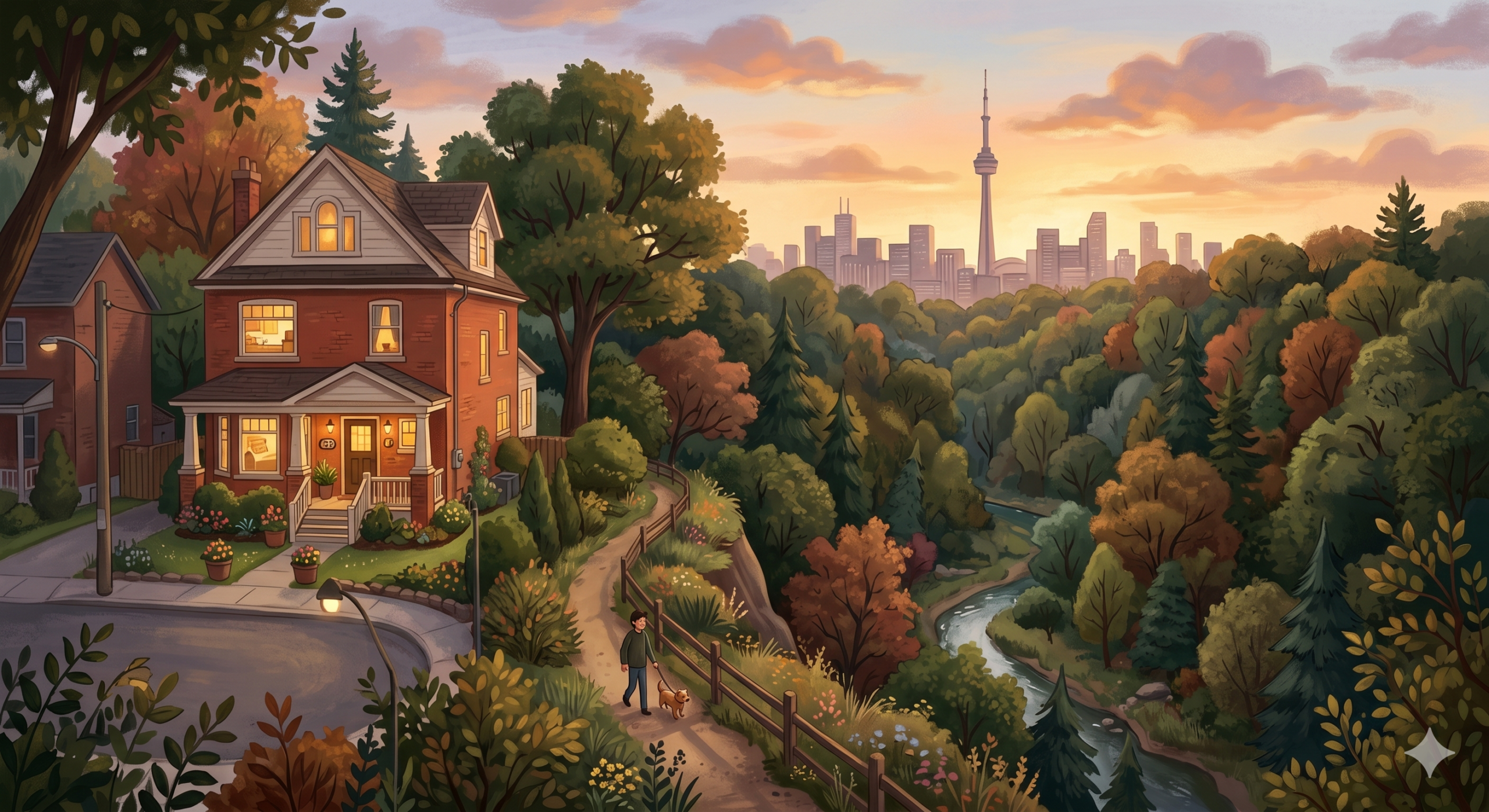
Buying a ravine lot in Toronto carries a certain kind of appeal that is hard to argue with. The mature trees, the privacy, the sense of nature pressed right up against city life. For many upsizing families, a ravine lot represents something more than real estate. It represents a lifestyle.
However, the premium you pay at purchase is only the beginning. Owning a ravine lot in Toronto comes with a distinct set of ongoing costs, regulatory obligations, and maintenance realities that many buyers do not fully anticipate until after the deal closes. Understanding what you are actually signing up for can mean the difference between a home that enriches your family’s daily life and one that quietly strains your budget and schedule.
Here is what families should know before falling for the ravine view.
The Purchase Premium Is Just the Starting Point
A ravine lot in Toronto consistently commands a higher price than comparable properties without ravine exposure. The combination of added privacy, scenic outlook, and perceived exclusivity pushes values up, particularly in established neighbourhoods where lot inventory is limited.
That premium is real and it is often justified. It is worth understanding that the purchase price does not account for the hidden carrying costs that follow. Property taxes, insurance, conservation authority permits, and slope maintenance are all separate financial considerations that begin the moment you take possession.
Families who are upsizing into a ravine property should factor these costs into their financial planning before finalizing any offer, not after.
Conservation Authority Regulations Can Limit What You Build
One of the most significant and least discussed costs associated with a ravine lot in Toronto is regulatory. The Toronto and Region Conservation Authority (TRCA) has jurisdiction over properties that fall within or adjacent to ravine and river valley systems. This means that even if you own the land, what you can do with it may be significantly restricted.
Planning a rear addition, a new deck, a garden shed, or even significant landscaping near the ravine edge? Each of these may require a permit from the TRCA before a building permit can even be issued by the City. The application process involves environmental assessments, technical studies, and in some cases, consultations with outside engineers or ecologists.
The cost of that process varies depending on the scope of work, but it adds both time and money to projects that, on a standard lot, would move considerably faster. Families who plan to renovate or expand after purchase should build this regulatory layer into their planning timeline and budget from the start.
Slope Stability and Erosion Are Ongoing Concerns
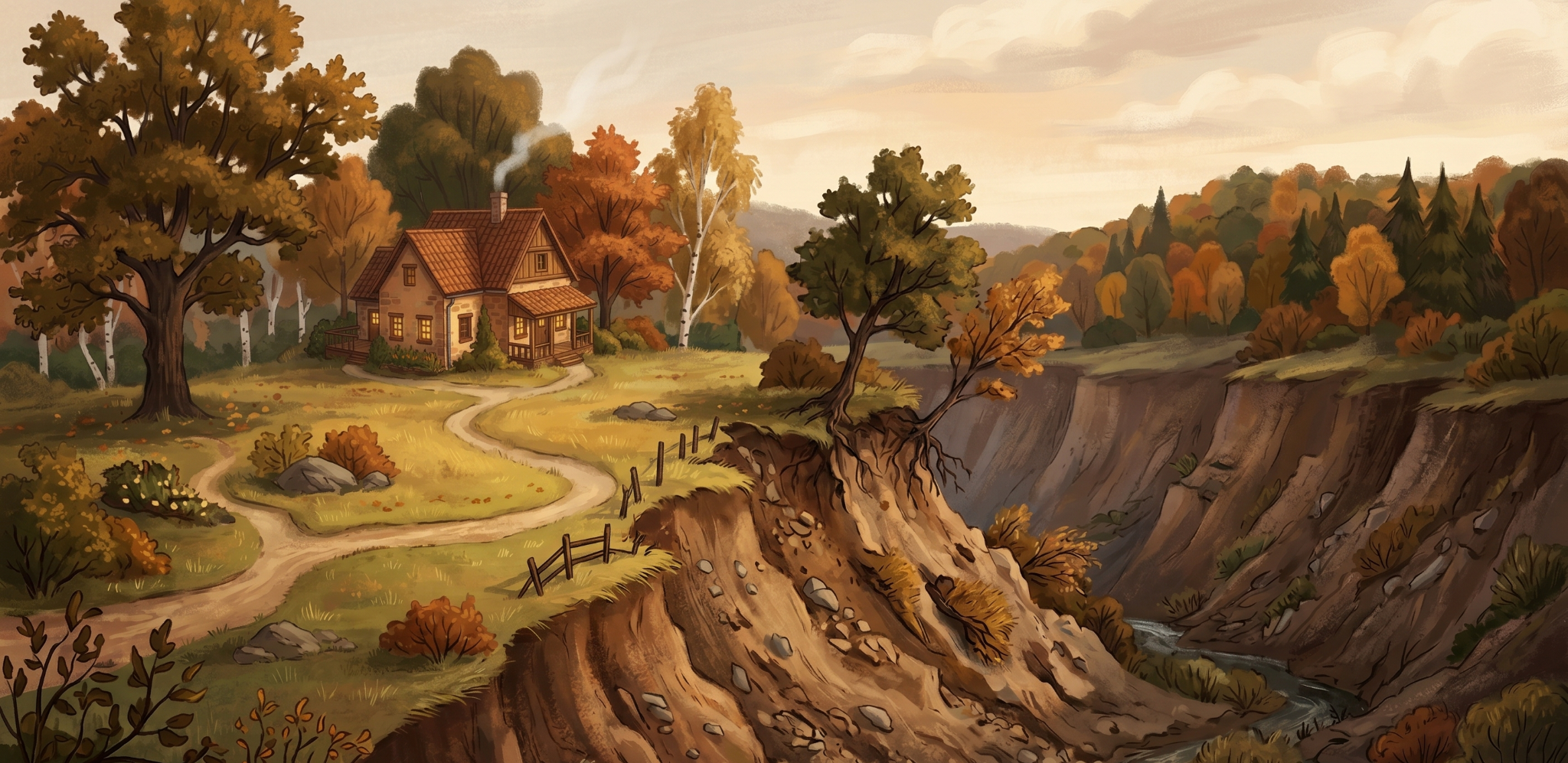
A ravine lot in Toronto is beautiful partly because of its topography. That same topography creates a maintenance responsibility that flat-lot owners simply do not face.
Ravine slopes are subject to natural erosion, particularly following heavy rainfall.. As Toronto’s climate patterns have become more variable, with intense rain events becoming more common, slope management has become a more active concern for ravine property owners. Retaining walls, slope reinforcement, and drainage management are not one-time investments. They require periodic inspection and occasional repair.
In some cases, the TRCA may issue notices requiring a property owner to address erosion that poses risk to the broader ravine system. These remediation costs can be substantial, and they fall entirely on the homeowner.
Before purchasing a ravine lot in Toronto, it is worth commissioning an independent geotechnical assessment. Understanding the condition of the slope before you buy is far less expensive than discovering a problem after.
Tree Management Comes With Strict Rules
The trees that make a ravine lot in Toronto so visually appealing are, in many cases, protected. Toronto’s Municipal Tree Protection By-law covers private trees with a trunk diameter of 30 centimetres or more. Removing, damaging, or significantly altering these trees requires a permit, an arborist report, and in many cases, replacement planting.
This matters for practical reasons. Dead, diseased, or structurally compromised trees near a home represent both a liability and a hazard. Addressing them is not optional, but doing so through the proper channels takes time and costs money. An arborist assessment, permit applications, removal, and replacement plantings can add up to a meaningful expense depending on the size and number of trees involved.
Routine maintenance such as pruning, cable bracing, and annual inspections is also part of responsible ravine property ownership. These are recurring costs that do not appear on any listing sheet but affect the long-term budget of maintaining the property.
Insurance and Mortgage Considerations
Some insurers treat ravine lots in Toronto differently, particularly regarding overland flood coverage. As climate-related flooding becomes a more visible concern in the GTA, properties adjacent to ravines and floodplains have faced increased scrutiny from underwriters. Coverage for water ingress, sewer backup, and overland flood is not always automatic and can carry higher premiums than equivalent coverage on standard lots.
It is worth speaking directly with an insurance broker who has experience with ravine properties before making an offer. Knowing the insurance picture in advance prevents unpleasant surprises at closing or, worse, gaps in coverage after purchase.
Mortgage qualification can also be affected if a property falls within a TRCA-regulated flood plain zone. Lenders may require additional appraisal documentation, and some financing structures may be unavailable. Consulting with a mortgage professional familiar with ravine properties in Toronto is a sound step during the due diligence phase.
Maintenance Demands Are Real and Recurring
Beyond the regulatory and structural considerations, a ravine lot in Toronto simply requires more consistent attention than a standard residential property.
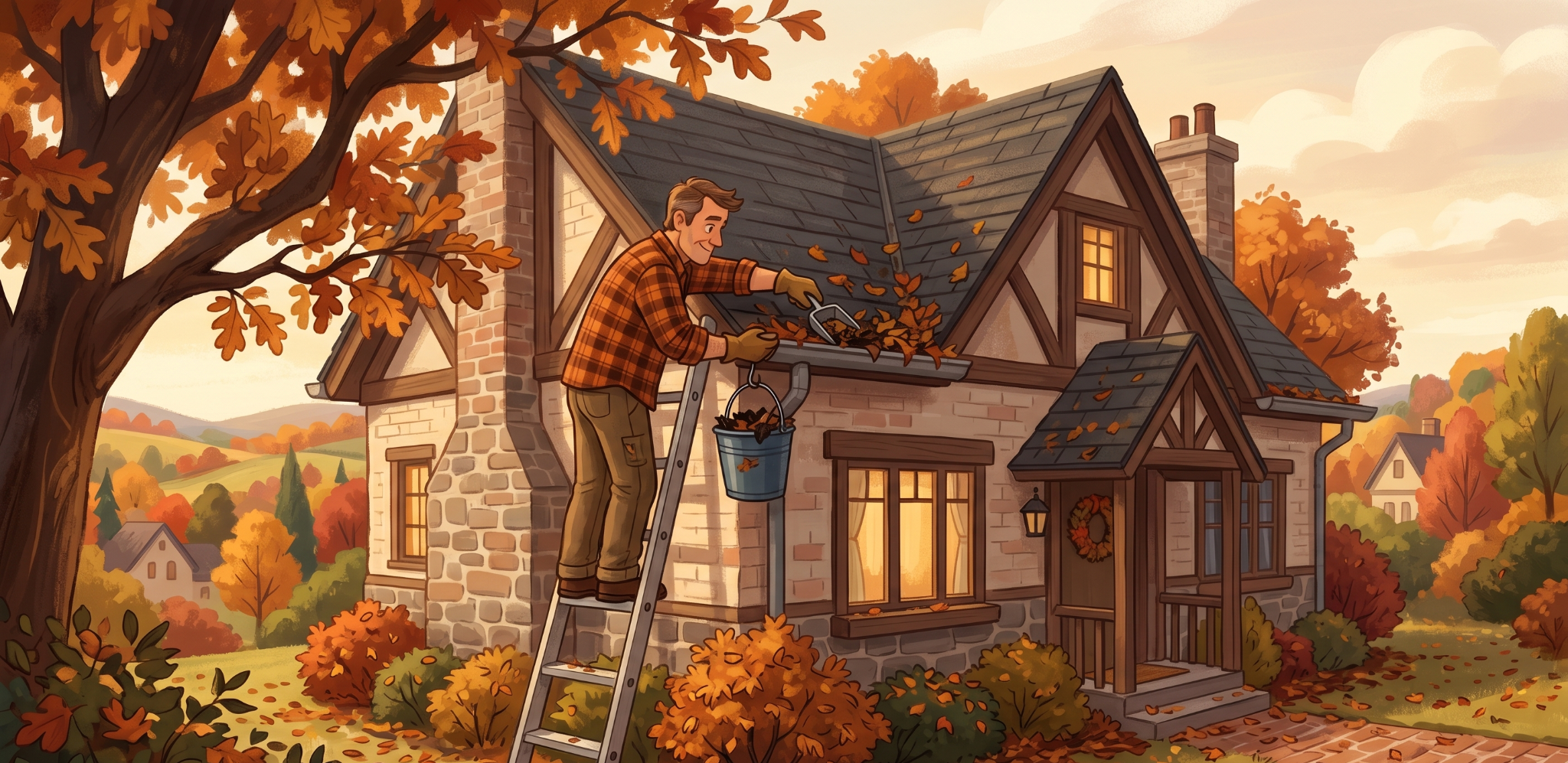
Leaf accumulation from mature trees, particularly in fall, is significant. Eavestroughs need to be cleaned more frequently. Debris carried by wind off the ravine can collect against foundations and fencing. Moisture levels near ravine edges can affect wood, stone, and paving materials more aggressively than they would on open lots.
For families with busy schedules, this upkeep either requires personal time or regular professional service. Either way, it is a real cost that should be considered when comparing a ravine property against alternatives in the same price range.
Which Neighbourhoods Offer Ravine Properties Worth Considering
Despite the additional considerations, a ravine lot in Toronto can represent an exceptional long-term investment when the right property is matched to the right family. Demand for ravine exposure remains strong in the city because supply is genuinely limited.
Neighbourhoods such as Rosedale, and Moore Park have long been associated with ravine-adjacent living, offering mature streetscapes, strong school catchments, and enduring property values. Families drawn to the east end may find similar appeal in Birch Cliff, where ravine access combines with a more community-oriented feel.
Reviewing available listings across Toronto can help you understand which neighbourhoods currently have inventory that matches both your space needs and your budget.
Balancing the Premium Against the Practical
For families who are upsizing and drawn to a ravine lot in Toronto, the decision deserves more than an emotional response to a beautiful backyard. It calls for the same disciplined thinking that guides other major financial decisions.
How a ravine lot fits into your long-term plans depends on factors specific to each family. If your goal is a long-term family base with space for children to grow, outdoor access, and strong neighbourhood stability, the additional costs of ravine ownership may be well worth the investment. If your timeline is shorter or your budget less flexible, those same costs may shift the calculus toward a different type of property.
The key is approaching the decision with clear information. Exploring Toronto’s neighbourhoods with a specific understanding of what ravine ownership requires allows families to compare properties honestly rather than reactively.
Making an Informed Move
A ravine lot in Toronto is, for the right family, genuinely worth it. The combination of privacy, natural beauty, and long-term scarcity makes ravine properties a compelling part of the Toronto market.
But ownership of a ravine lot in Toronto comes with a set of responsibilities that extend well beyond the purchase price. Conservation authority oversight, slope maintenance, tree management, insurance complexity, and recurring upkeep all contribute to the real cost of living on a ravine. Understanding them before you buy puts you in the strongest possible position to make a confident, well-informed decision.
Families navigating this type of search often benefit from working with advisors who understand the specific due diligence involved. Speaking with a knowledgeable realtor who has experience with ravine properties can help you ask the right questions before you make an offer, not after.