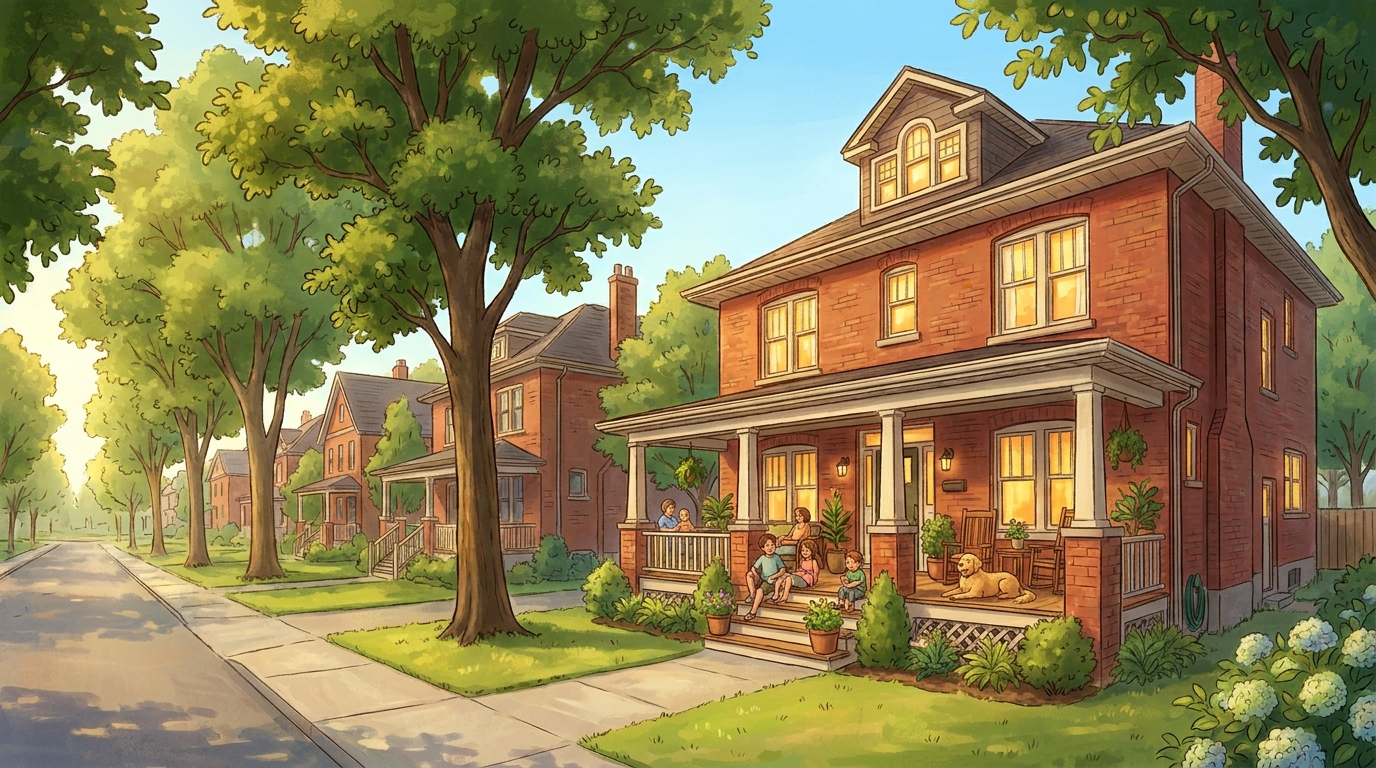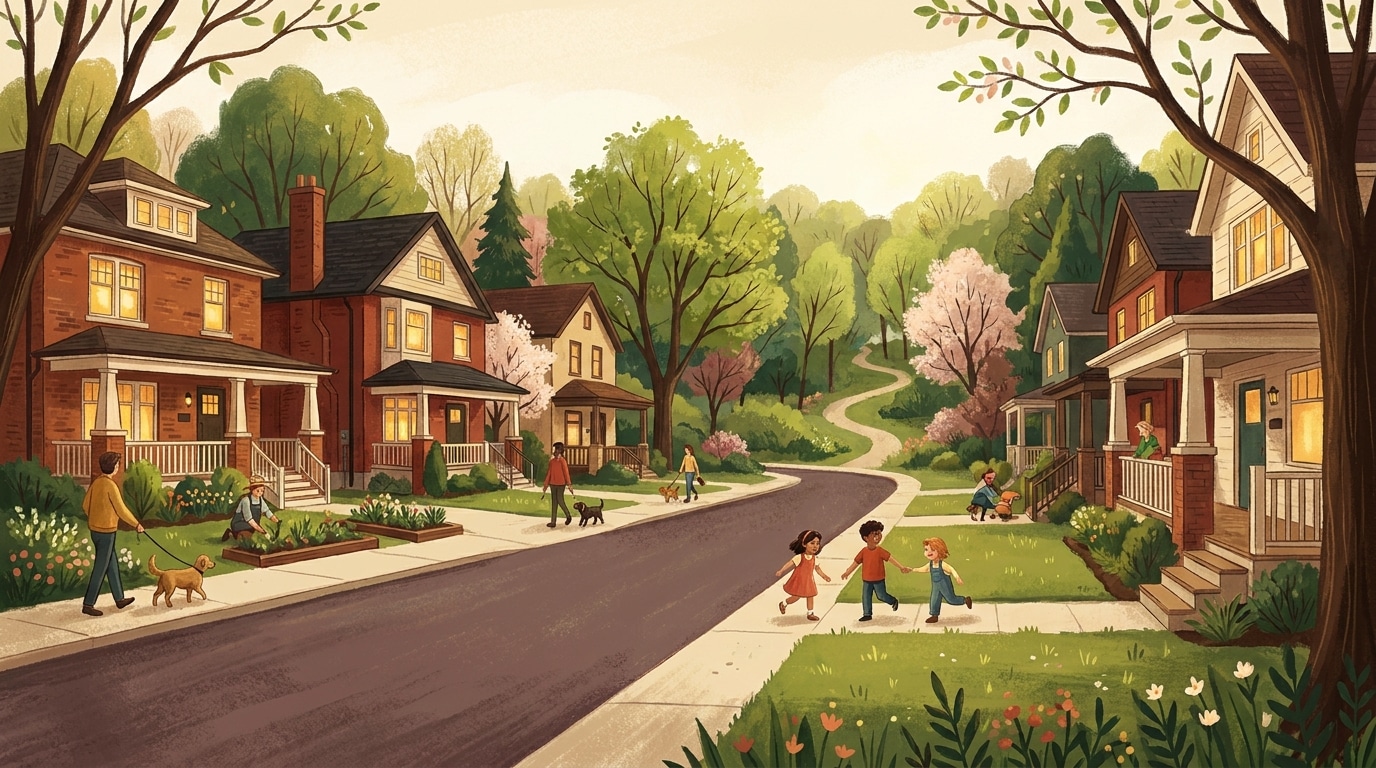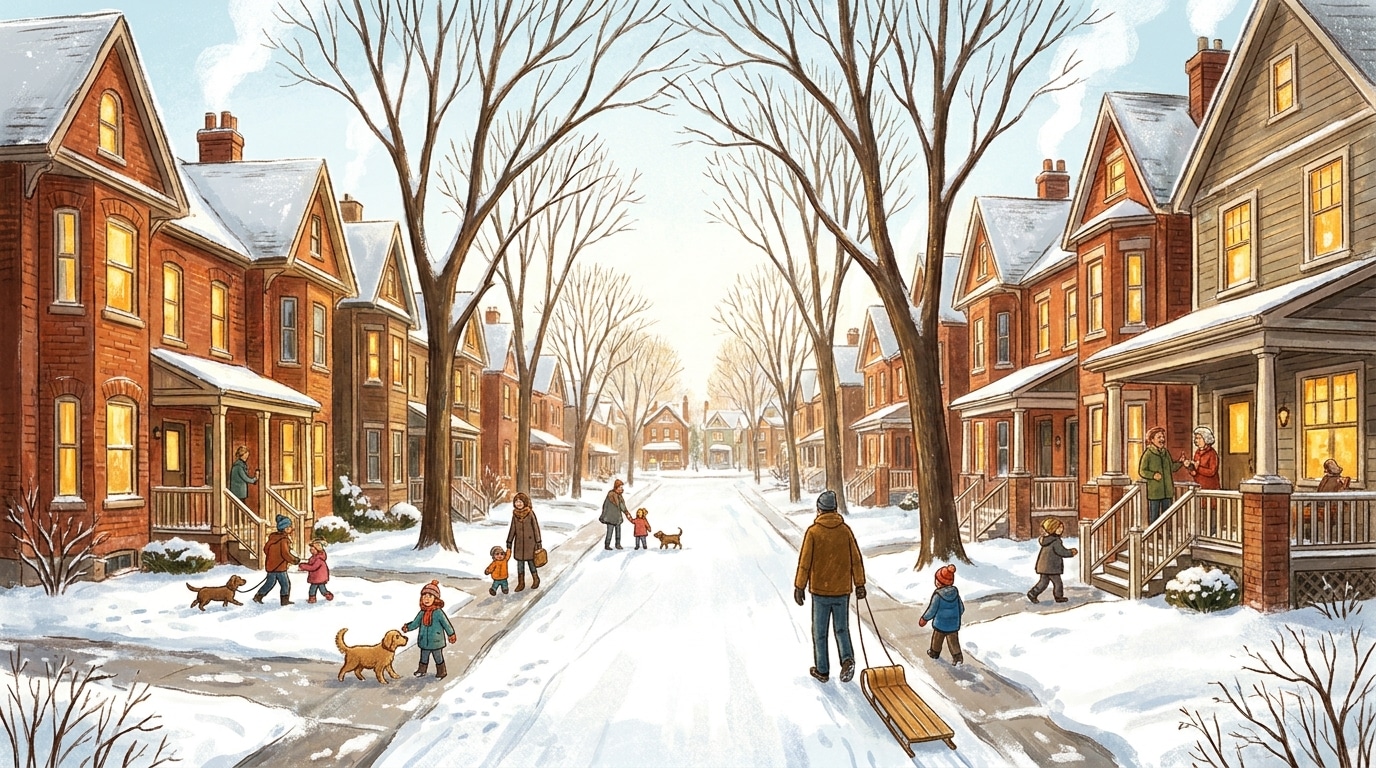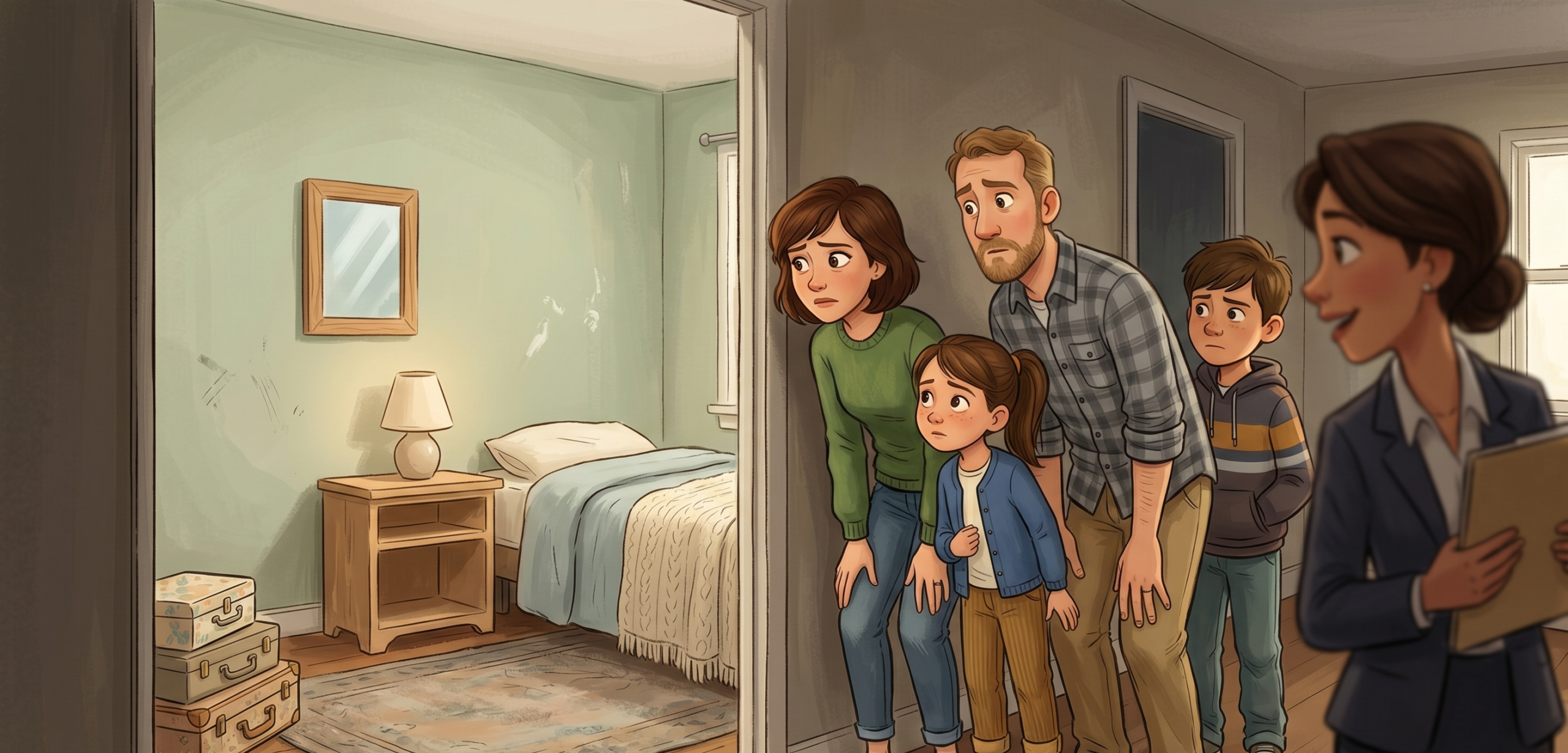
It is a pattern that nearly every Toronto family encounters at some point. You walk through a home that checks most of the boxes, the location is right, the primary bedroom is generous, the kitchen has been updated, and then you open the door to the second bedroom and stop. The room is noticeably smaller than you expected, sometimes dramatically so.
This is not a coincidence or a quirk of one particular builder. It reflects a deliberate approach to how residential space is allocated in Toronto and across the GTA. Understanding why the second bedroom is sized the way it is, and what that means for your family’s day to day life, can help you make a more informed decision when it is time to upsize your home.
How Builders Think About Room Hierarchy
When a developer or builder designs a residential floor plan, every square foot carries a cost. Room sizing is not random. It follows a hierarchy that prioritizes the features most likely to attract buyers at the point of sale.
The primary bedroom is typically allocated the most generous proportions because it is the room most buyers evaluate first and most closely. A spacious primary suite, ideally with an ensuite bathroom and walk-in closet, signals quality and commands a premium at both the listing and resale stages.
Additional bedrooms, including the second bedroom, are sized to meet the minimum threshold that allows a room to be legally and practically marketed as a bedroom. In Ontario, a room must generally meet minimum size requirements and include a window and closet to qualify. Builders frequently design secondary rooms to satisfy those requirements without significantly exceeding them, preserving the overall footprint for shared spaces like the kitchen, great room, or primary suite that drive buyer decisions.
The result is a floor plan that photographs well and shows well during a viewing, while distributing the remaining square footage in ways that may not serve a growing family over the long term.
The Typical Size Gap Between Primary and Secondary Rooms
In many Toronto new builds and recent resale homes, the gap between the primary bedroom and the second bedroom can be considerable. A primary bedroom might measure 14 by 16 feet or larger, while the second bedroom in the same home sits closer to 10 by 10 or 10 by 11 feet.
That difference of roughly 100 square feet may not sound dramatic, but it fundamentally changes how a room functions. A 10 by 10 second bedroom can fit a single bed and a small dresser with limited circulation space. It struggles to accommodate a double bed comfortably. For a child who is moving past the toddler stage, starting school, or bringing friends home, that room can feel confining within a few years of moving in.
For families considering what this means practically, a second bedroom that measures less than 10 by 11 feet will have real difficulty accommodating:
- A double or full-size bed with comfortable clearance on both sides
- A desk and chair for school-age homework
- A dresser or wardrobe without blocking circulation
- Space for a second child if your family grows
These are not edge cases. They are the everyday realities of how a growing child uses a bedroom, and they often become apparent only after you have moved in and settled.

Why This Pattern Became So Common in Toronto
Toronto’s housing market has produced particular pressures on residential design over the past two decades. As land values increased and density targets rose, builders found ways to fit more units into the same footprint. In detached and semi-detached homes, this sometimes meant narrowing lot widths or deepening floor plans in ways that created irregular room proportions.
In condo and townhouse developments, the pressure was even more direct. Units were designed to maximize the number of bedrooms that could be listed without maximizing the actual usable area of each room. A two-bedroom unit became standard for young families, but the second bedroom in many Toronto condos is sized for a crib or a single child’s bed rather than for the full span of childhood.
According to research from the Canada Mortgage and Housing Corporation, housing affordability pressures in major urban centres have consistently pushed unit sizes downward even as household formation rates among families with children have remained steady. The result is a growing mismatch between the homes being built and the space families actually need.
Older housing stock in established Toronto neighbourhoods sometimes tells a different story. Homes built in the 1950s through the 1980s in areas like East York or Wychwood were often designed with a different philosophy, prioritizing functional bedrooms across the floor plan rather than concentrating square footage in a single showpiece room. Upsizing into these neighbourhoods can sometimes offer better overall room distribution for families with multiple children.
What to Look for When Evaluating a Second Bedroom
When touring homes as part of your upsizing search, it pays to look past the staging and into the actual dimensions of every bedroom. A well-staged second bedroom with a twin bed, a small nightstand, and a piece of art above the headboard can appear perfectly liveable during a viewing while concealing a room that will not serve a growing child well.
Bring a tape measure. Ask your agent for the floor plan dimensions if they are available. Consider the following as a practical framework:
- A second bedroom of at least 10 by 12 feet can function reasonably for a school-age child with thoughtful furniture placement.
- A second bedroom of 11 by 12 feet or larger offers meaningful flexibility for a double bed, desk, and storage.
- A second bedroom under 10 by 10 feet, sometimes listed as a third bedroom in smaller homes, should be evaluated honestly for how it will serve your family five years from now, not just today.
Also pay attention to the shape of the room. A room with an awkward jog, a structural column intruding on the floor area, or a sloped ceiling on one wall may technically meet a minimum square footage but lose functional space in ways that do not show clearly on a listing sheet.
Closet placement matters too. A closet positioned on the longest wall of an already narrow room can effectively reduce the usable width by the depth of the closet opening and any furniture that must clear it.

The Second Bedroom and Long-Term Fit
Families who upsize with a second bedroom in mind often discover that their needs evolve faster than they anticipated. A room that works for a six-year-old becomes inadequate for a twelve-year-old who needs study space, storage for sports equipment, and some sense of personal territory.
If your family includes two children who will share or alternate rooms, or if you anticipate a third child, or if you expect aging parents to join the household at some point, the second bedroom becomes even more critical to evaluate carefully. What functions as a guest room today may need to serve a full-time occupant within a few years.
This longer view is part of what distinguishes a thoughtful upsize from one that simply solves today’s constraints. Many families who have navigated this process describe their ideal approach as moving into their long-term base, a home sized to accommodate not just their current situation but the realistic shape of the next decade.
How to Factor Room Sizing Into Your Upsize Strategy
When working with an agent to identify properties, it is worth being explicit about your minimum requirements for secondary bedrooms, not just the number of bedrooms in the listing. A three-bedroom home where the second and third bedrooms each measure 10 by 10 may not serve your family as well as a two-bedroom home where both rooms are generously sized and a finished basement provides additional flexible space.
Listing descriptions in Toronto’s market often lead with bedroom count and primary suite features. The secondary rooms are frequently described with less specificity. Pulling actual room dimensions from listing documents, requesting floor plans, or measuring during viewings gives you a clearer picture than the listing narrative alone.
Exploring Toronto neighbourhoods that tend toward larger lots and older housing stock can also open up options. Homes in areas like Birch Cliff or Playter Estates often feature floor plans where secondary bedrooms were designed with occupancy in mind rather than minimum compliance. Reviewing current listings across the Toronto market with a focus on room dimensions rather than just bedroom count is a useful shift in how you filter and compare properties.
Sizing Matters More Than Counting
The number of bedrooms in a home tells you relatively little about whether the home will work for your family. A four-bedroom home where the second, third, and fourth bedrooms are all undersized may offer less functional living space than a three-bedroom home with rooms that are genuinely liveable for children and guests at every stage.
Understanding how Toronto builders have historically approached room hierarchy gives you a more grounded way to evaluate the homes you tour. It shifts the question from how many rooms does this home have to how well does each of these rooms actually work.
For families navigating this process, having a knowledgeable realtor who can interpret floor plans, identify genuine room quality, and help you look past staging to functional reality is one of the most practical advantages you can have in the Toronto market. The second bedroom may always feel small in some homes. The goal is to find one where it does not.