When families begin searching for a larger home in Toronto, the conversation tends to focus on square footage, bedroom count, and neighbourhood. Lot configuration is often an afterthought, something buyers notice only once they are standing at the property. The distinction between corner lots and interior lots in Toronto is more consequential than it might initially appear.
Each lot type shapes how a home sits on the land, how the yard functions, how much privacy the family enjoys, and how the property holds its value over time. For upsizing families who plan to stay in a home for a decade or longer, understanding these differences before searching can sharpen the criteria and reduce the likelihood of a decision made on emotion rather than fit.
Here is a clear-eyed look at what separates corner lots and interior lots in Toronto, and how each one performs against the practical needs of a growing family.
What Defines Each Lot Type
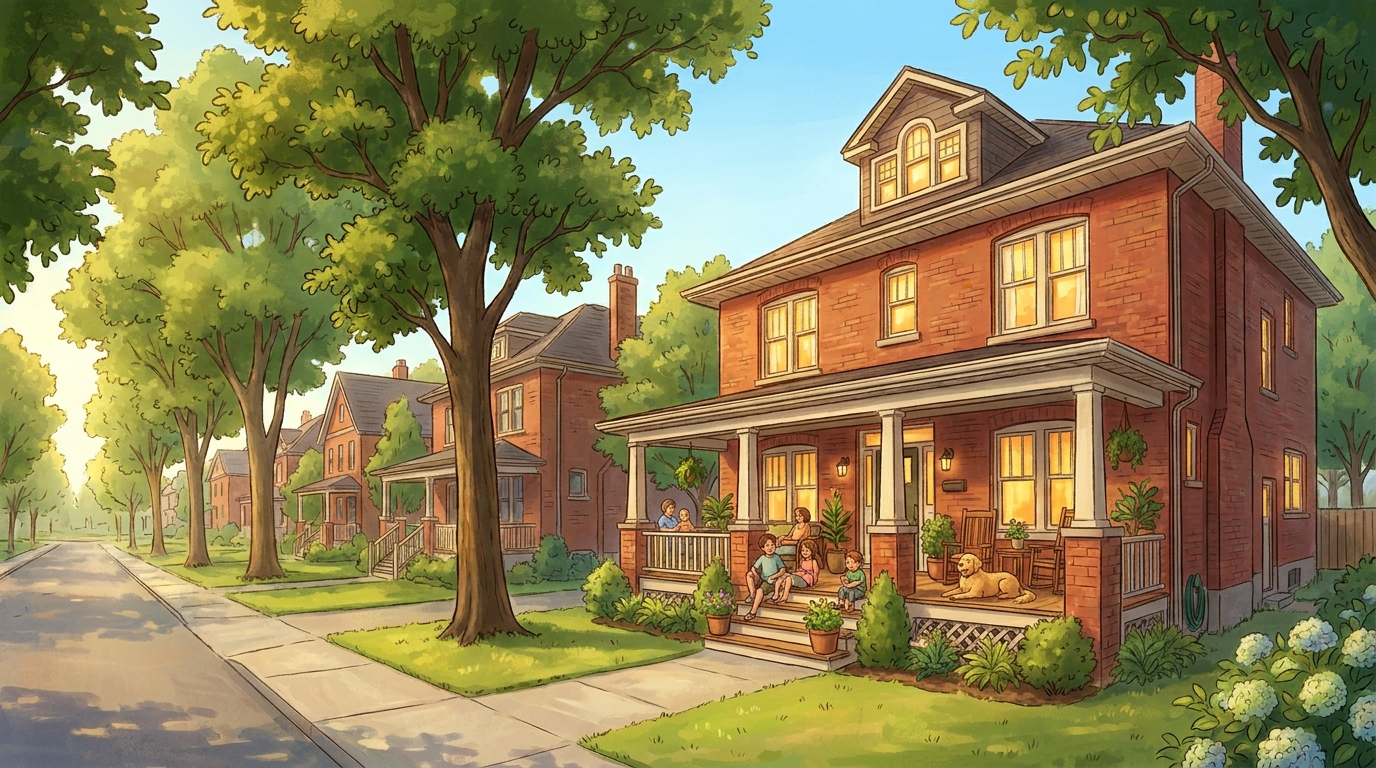
An interior lot sits mid-block, flanked by neighbouring properties on both sides with street frontage on one end only. This is the most common configuration in Toronto’s residential neighbourhoods, and the one most buyers picture when they imagine a typical family home.
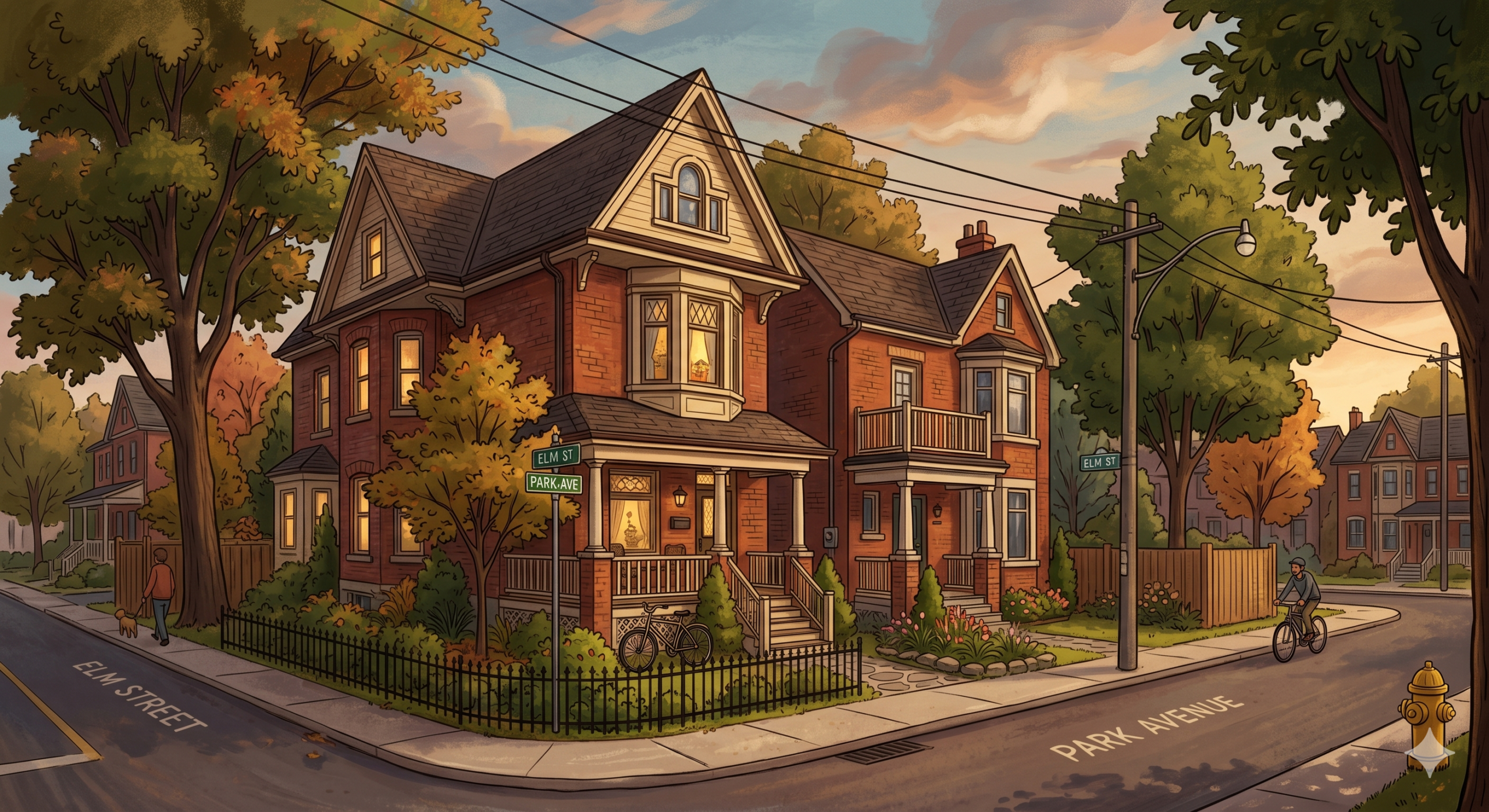
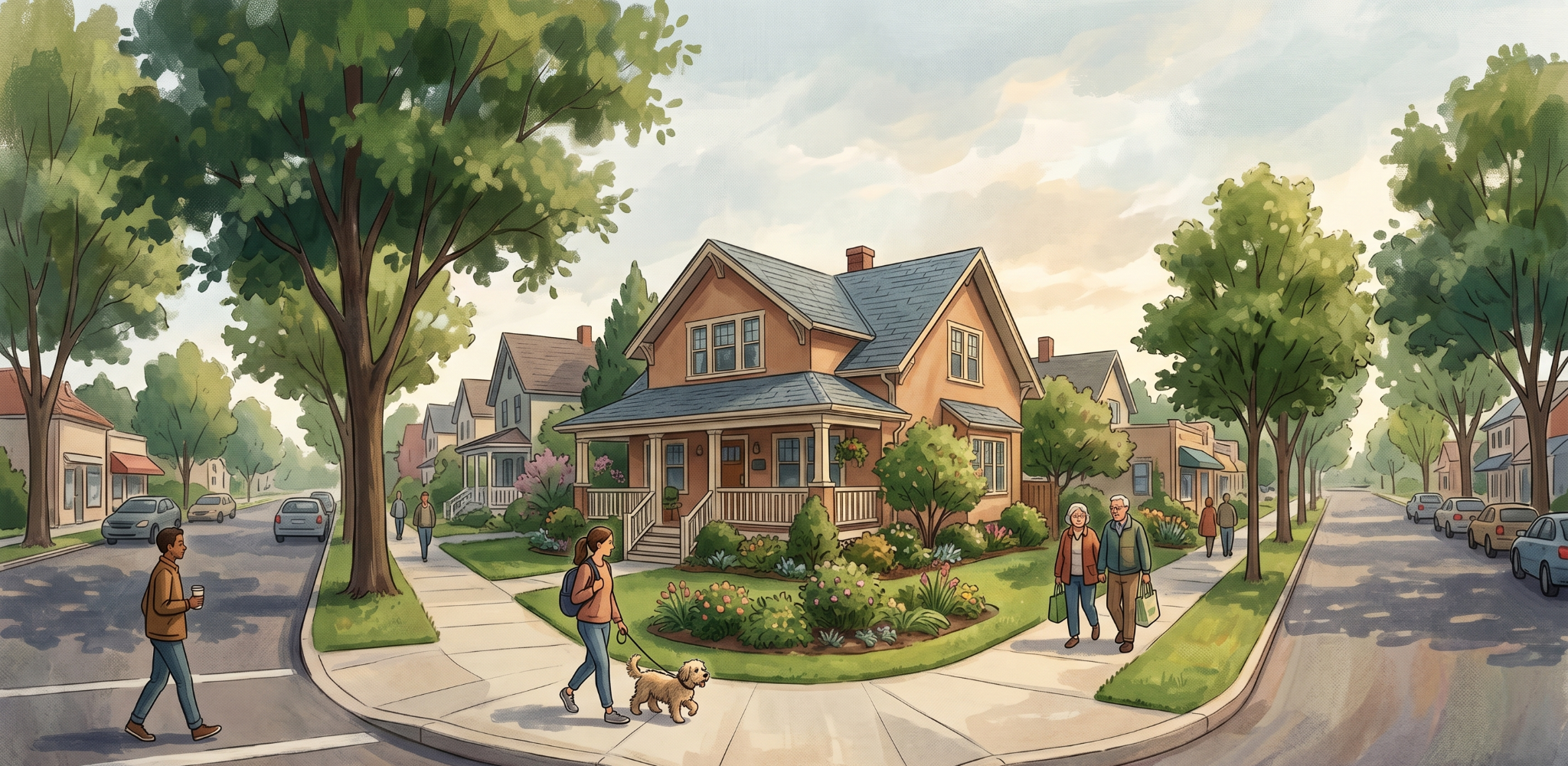
A corner lot occupies the intersection of two streets, with exposure on two sides rather than one. This creates a different footprint, a different relationship with the street, and a different set of trade-offs that affect day-to-day living in ways that are worth mapping out carefully.
Neither configuration is universally better. The right choice depends on how a specific family uses their home, how much they value privacy versus openness, and what the surrounding neighbourhood context looks like.
Outdoor Space and How Families Actually Use It
For families upsizing from a condo or townhouse, the prospect of a real yard is often one of the primary motivators. How that yard is shaped and positioned matters considerably.
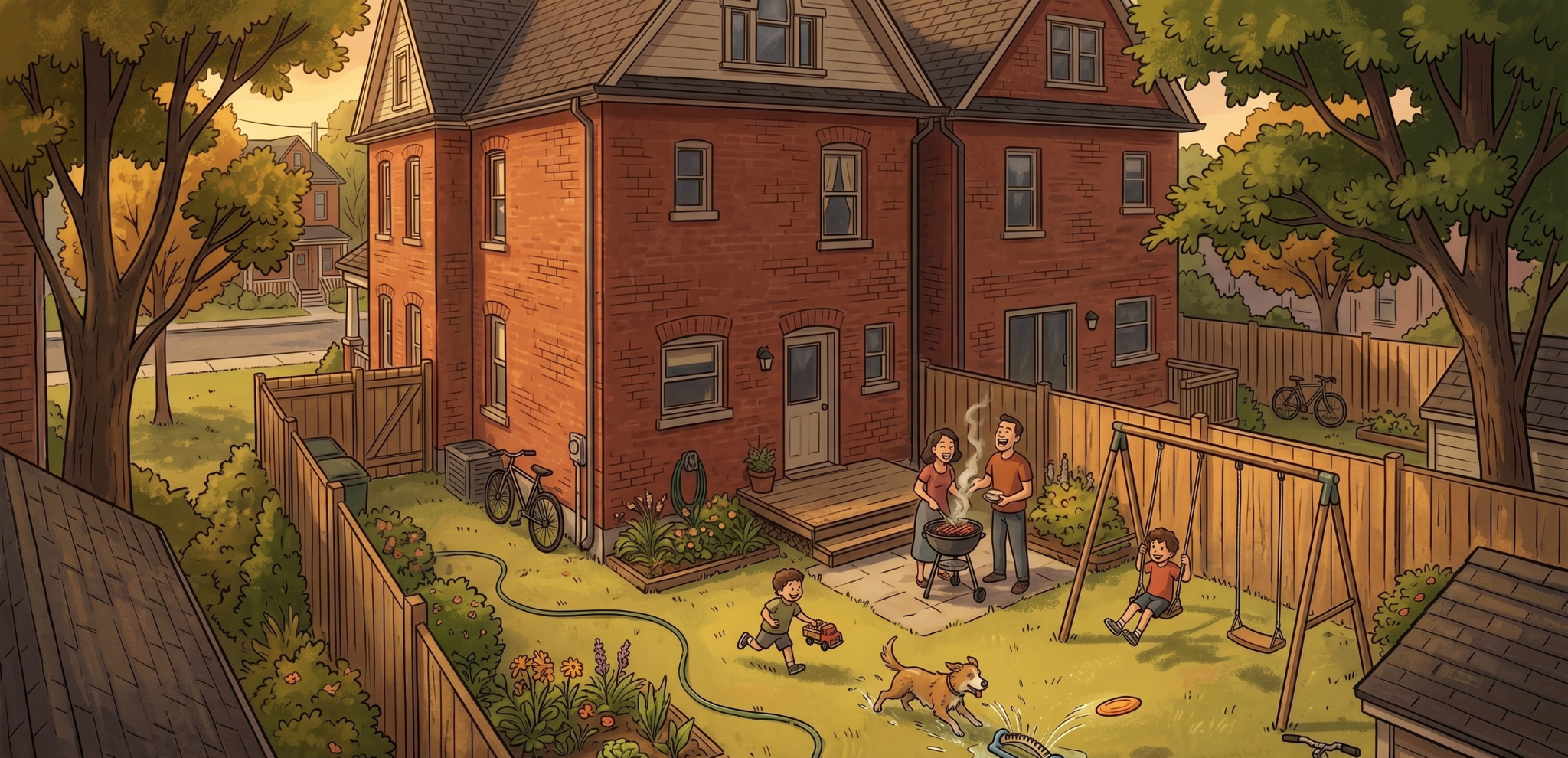
Interior lots in Toronto tend to offer more usable, private backyard space relative to their total lot size. Since the neighbours are on the sides and the street is at the front, the rear yard becomes a contained, sheltered area. It is easier to fence, easier to landscape for children’s play, and easier to treat as a genuine outdoor room. Families with younger children often find that interior lots provide the enclosed, supervised feel they want.
Corner lots distribute their outdoor space differently. The total land area can be comparable or even larger, but a meaningful portion of that space sits on the side yard adjacent to the second street. That side yard is more exposed, less private, and harder to integrate into everyday family use. The rear yard on a corner lot is often narrower than on a comparable interior lot because the house footprint is positioned to address both street frontages.
Families who entertain outdoors frequently, or who want a pool, a play structure, or defined garden zones, will typically find interior lots more accommodating for those purposes.
Privacy, Traffic, and Street Exposure
One of the most commonly cited differences between corner lots and interior lots in Toronto is privacy, and for families, this is not a trivial concern.
Interior lots sit back from one street with neighbours providing a natural buffer on either side. Foot traffic passes primarily along one face of the property. Fencing options are more straightforward, and the sense of enclosure that many families associate with a settled, secure home comes more naturally.
Corner lots face two streets simultaneously. Pedestrian traffic, headlights from turning vehicles, and general visibility from the sidewalk affect more of the property perimeter. Windows on the side elevation face a public street rather than a neighbouring yard. This can feel open and bright or exposed and busy depending on the family’s preferences and the specific intersection involved.
Traffic noise and safety near the intersection is also worth considering for families with young children. While most residential intersections in Toronto are quiet, corner properties sit closer to the traffic patterns that children need to navigate, and that parents naturally factor into their sense of comfort.
Natural Light and Interior Livability
This is one area where corner lots and interior lots in Toronto genuinely diverge in favour of corner properties. A corner lot receives light from two street-facing exposures rather than one, and the absence of a neighbouring structure on the side elevation can significantly brighten the interior of the home.
For families who spend a great deal of time at home, including those navigating hybrid work arrangements, natural light is not a luxury. It affects mood, productivity, and the overall feel of a space throughout the day. A corner home with well-positioned windows can feel considerably more open and airy than an equivalent interior property where side walls face neighbouring houses within a few metres.
Interior lots are not without light advantages of their own. South-facing rear yards on interior lots can receive generous afternoon sun, making the outdoor space and rear-facing rooms very livable. The orientation of any lot, corner or interior, matters as much as the configuration itself.

Maintenance Responsibilities Are Not Equal
Corner lots and interior lots in Toronto carry different maintenance demands, and for busy families, this is a practical consideration worth factoring into the decision.
Corner lot owners are responsible for maintaining the sidewalks along both street frontages, including snow clearing in winter. In Toronto, property owners are legally required to clear snow from adjacent sidewalks within a set timeframe after a snowfall. On a corner lot, that perimeter is roughly twice as long as on an interior property. Over the course of a Toronto winter, the additional time and effort is real.
The same applies to lawn maintenance, fencing, and any landscaping along the side street exposure. Corner lots also tend to be more susceptible to road salt spray from both directions during winter months, which can affect garden beds, fencing, and paving materials near the street edges.
Interior lots concentrate their outdoor maintenance at the front and rear, which most families find more manageable alongside the daily demands of work and family life.
Renovation and Expansion Potential
For families who plan to grow into a home over time, the question of what can be built or added matters. This is another dimension where corner lots and interior lots in Toronto behave differently.
Interior lots in established Toronto neighbourhoods often have less flexibility for additions that extend into side yards, simply because those yards are narrow and setback requirements from neighbouring properties are fixed. Rear additions and second storey expansions are typically the most viable paths.
Corner lots can offer more geometric flexibility for certain types of additions, particularly those that extend into the side yard facing the second street, provided the setback requirements from both street frontages are satisfied. In some cases, a corner lot configuration creates building envelope options that are simply not available on interior lots in the same neighbourhood.
Families considering a purchase with future renovation in mind should review the zoning and permitted development rights for any specific property before assuming what is possible. Understanding the long-term potential of a home is part of making an upsizing decision that holds up over time.
Resale Value and Market Demand
The resale dynamics of corner lots and interior lots in Toronto are nuanced and neighbourhood-dependent. Neither type holds a universal advantage, but there are patterns worth understanding.
Corner lots sometimes command a modest premium on the basis of their larger total land area and distinctive positioning. In neighbourhoods where lot size is at a premium and buyers prioritize outdoor space or light, corner properties attract meaningful competition. The relative scarcity of corner lots compared to interior lots in any given block also contributes to their perceived desirability among a specific segment of buyers.
However, the privacy concerns and maintenance demands associated with corner lots can also temper buyer enthusiasm, particularly among families with young children who prioritize backyard seclusion. Interior lots consistently attract broad appeal among family buyers, which tends to support liquidity and stable demand through different market conditions.
Toronto remains a resilient housing market, and both lot types have demonstrated long-term value appreciation in well-positioned neighbourhoods. Reviewing current listings across the city can help families calibrate their expectations around what each lot type currently looks like at different price points.
How Neighbourhood Context Shapes the Decision
The impact of lot configuration does not exist in isolation. The surrounding neighbourhood heavily influences how corner lots and interior lots in Toronto actually perform for families.
In a dense, walkable neighbourhood like Davisville Village or Playter Estates, where lots are narrower and homes sit closer together, the added light and side exposure of a corner lot can feel like a genuine premium. The same corner lot in a quieter, more spread-out area like Don Mills may feel less distinctive because interior lots already offer generous separation from neighbouring structures.
Understanding which lot configuration suits your family best is easier when you can see it in the context of specific streets and areas.
Matching the Lot to How Your Family Lives
Ultimately, the comparison between corner lots and interior lots in Toronto comes down to a clear-eyed assessment of how your family actually spends time at home.
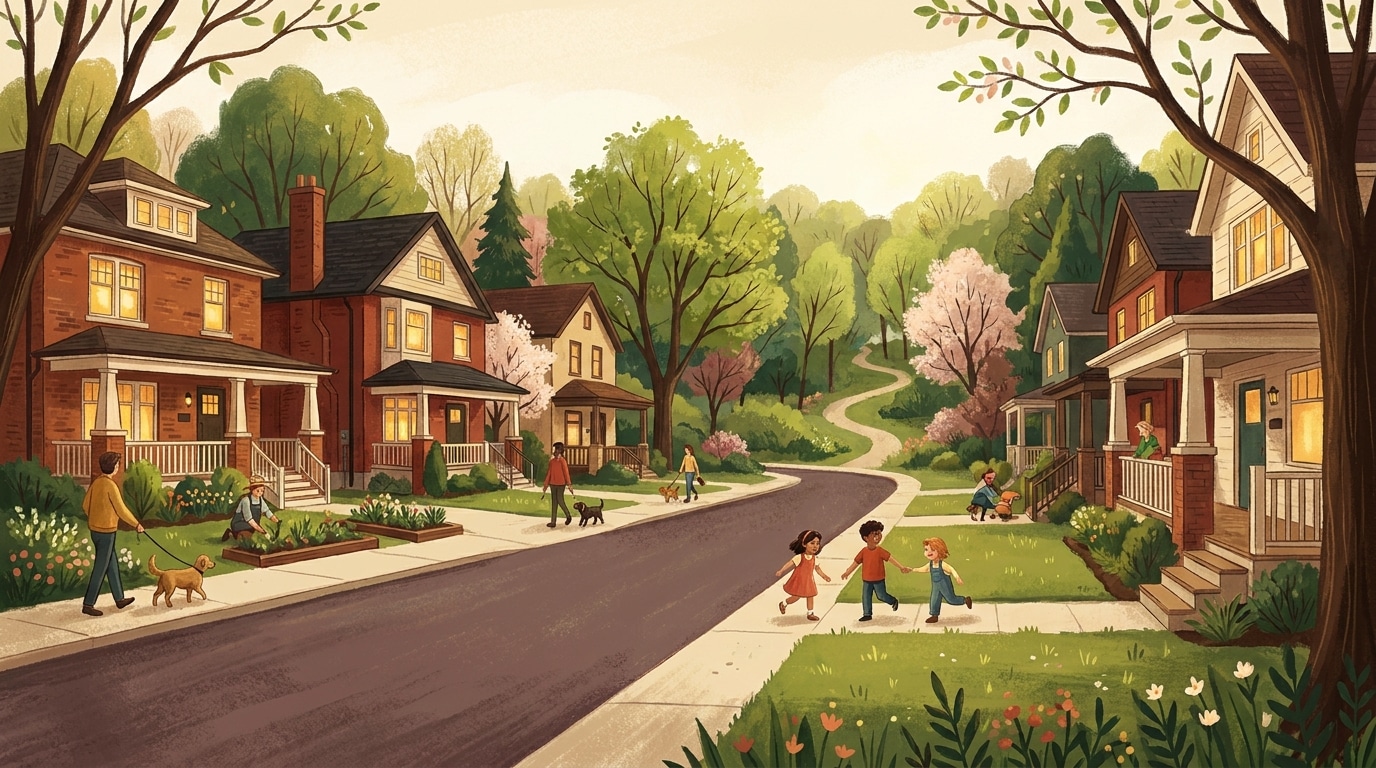
Families who prioritize a private, contained backyard for children, straightforward maintenance, and a quieter relationship with the street tend to find that interior lots serve them well. The enclosed, mid-block feel aligns naturally with the way most Toronto families use their outdoor space day to day.
Families who place a premium on natural light, indoor brightness, and the distinct character that comes with a corner position, and who are comfortable with the additional street exposure and maintenance footprint, may find that a corner lot offers something an interior property cannot replicate.
In either case, the decision benefits from a grounded conversation about priorities rather than assumptions made on the basis of first impressions. If you are weighing these questions as part of a broader move as a couple, working through lot configuration together early in the process can prevent misaligned expectations once active searching begins.
Families navigating this stage of the decision often find it useful to work with an advisor who understands the specific inventory and lot dynamics across Toronto’s family neighbourhoods. Speaking with a realtor can help you evaluate corner lots and interior lots in Toronto against your family’s specific needs, with clarity about what each configuration actually delivers over the long term.