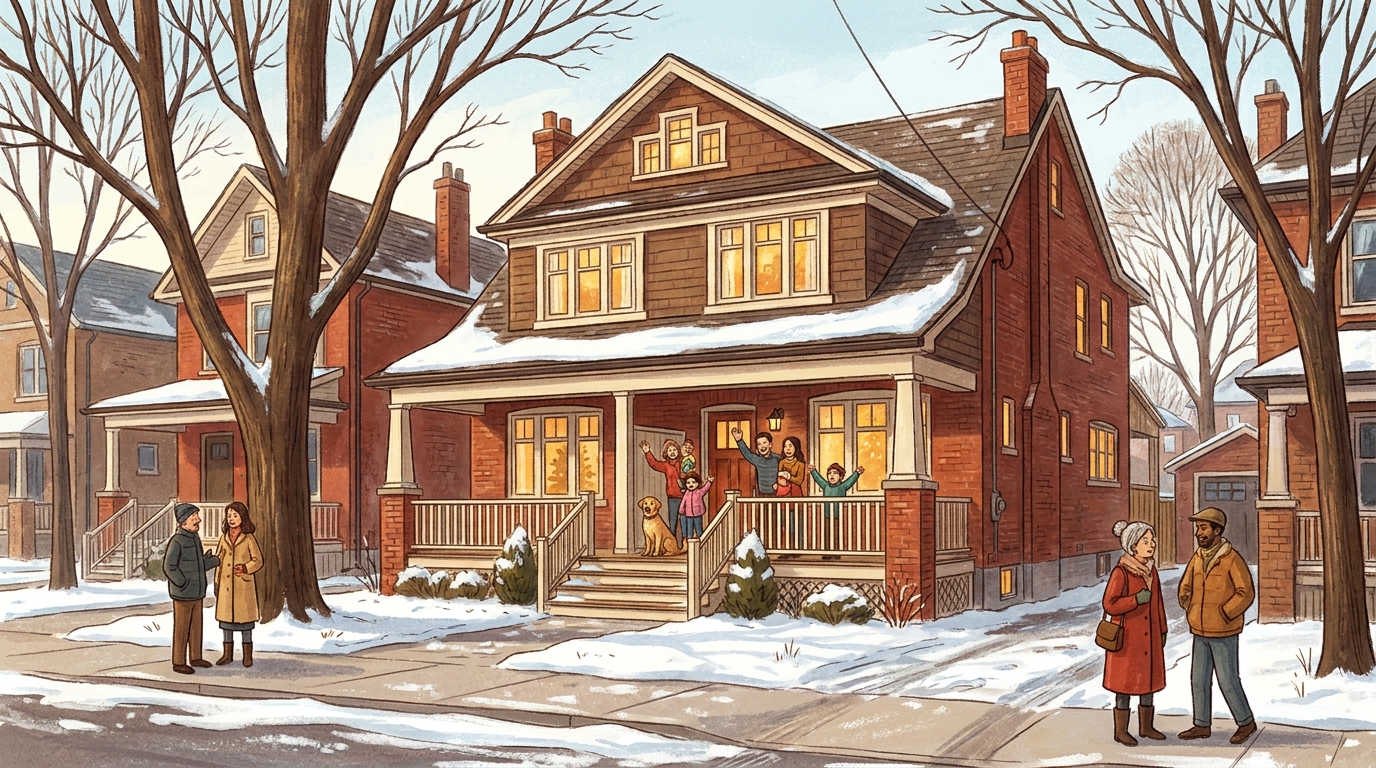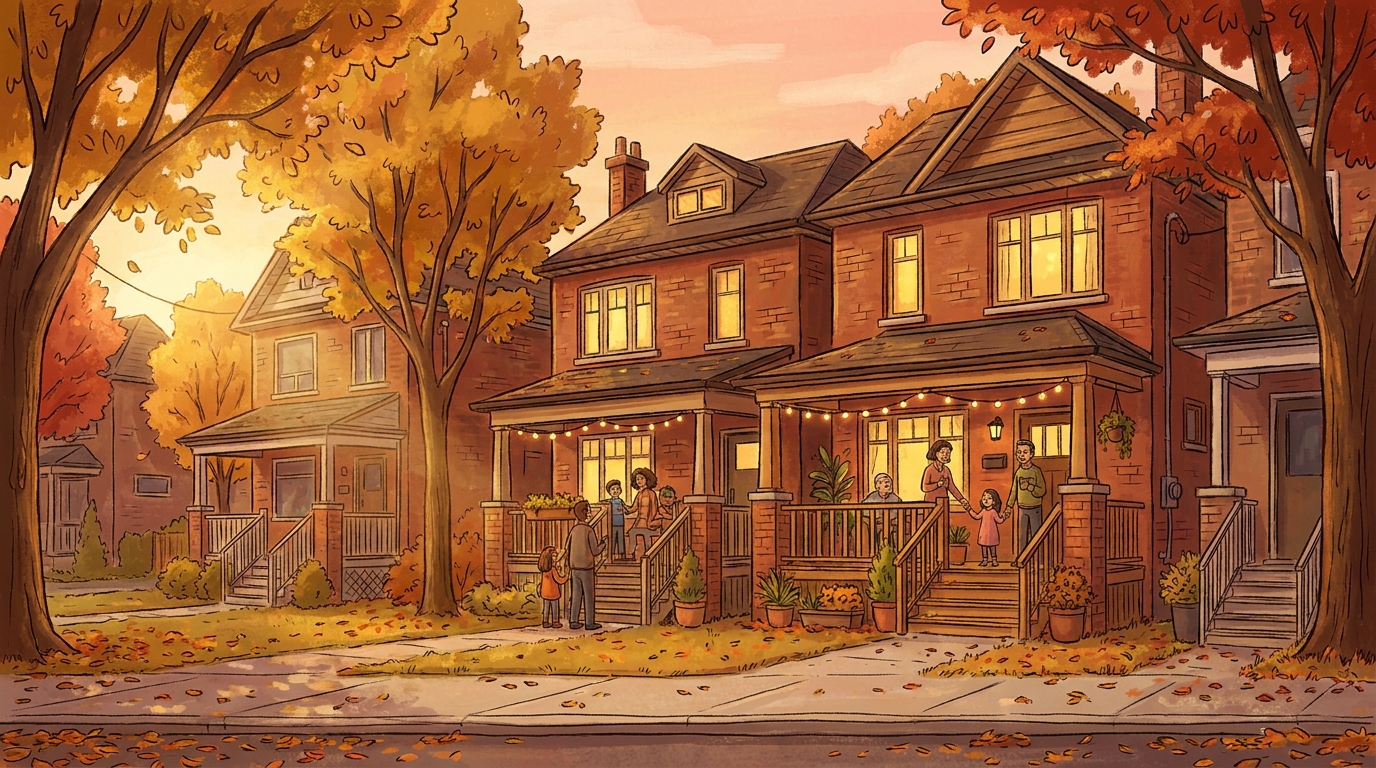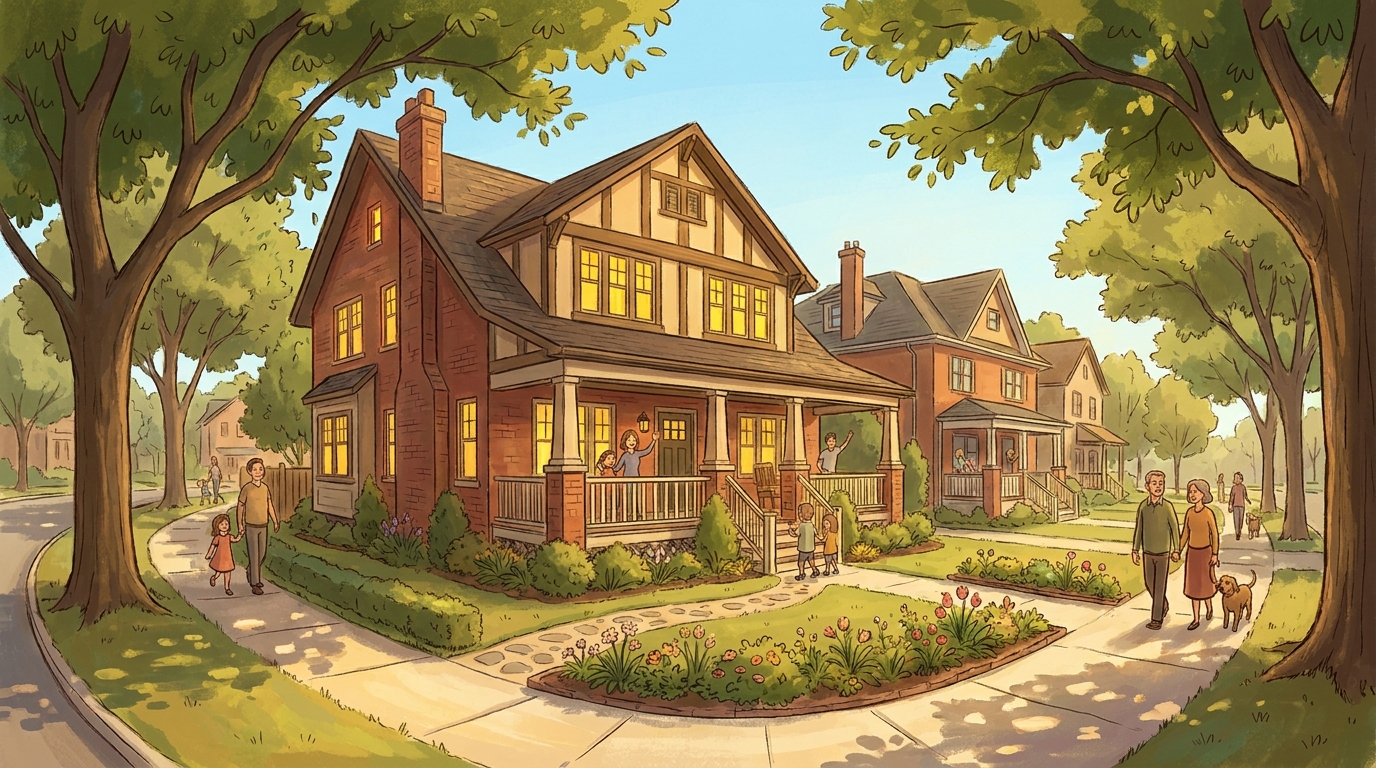
When families begin the search for a larger home in Toronto, the focus tends to land on square footage, bedroom count, and finishes. These details matter, but experienced buyers know that the house is only part of the decision. The street it sits on shapes daily life in ways that a floor plan cannot. Learning how to evaluate a street before committing to a property is one of the most underrated skills a move-up buyer can develop.
The right home on the wrong street can affect everything from morning routines to how long you want to stay. The following guide walks through what to look for and how to assess it honestly, before you make one of the most significant financial decisions of your family’s life.
Why the Street Matters More at This Stage
When families upsize, they are typically not making a short-term move. They are selecting a home they intend to stay in for a decade or more. That timeline changes the stakes. Noise, traffic patterns, neighbour dynamics, and the physical condition of surrounding properties all become more meaningful when you are planning to raise children in a community rather than simply passing through it.
There is also the financial dimension. Toronto’s property values do not rise uniformly across a neighbourhood. A home on a well-maintained, desirable street will typically outperform a similar property one block over. When you evaluate a street carefully, you are protecting both your lifestyle and your investment.
Visit at Different Times of Day
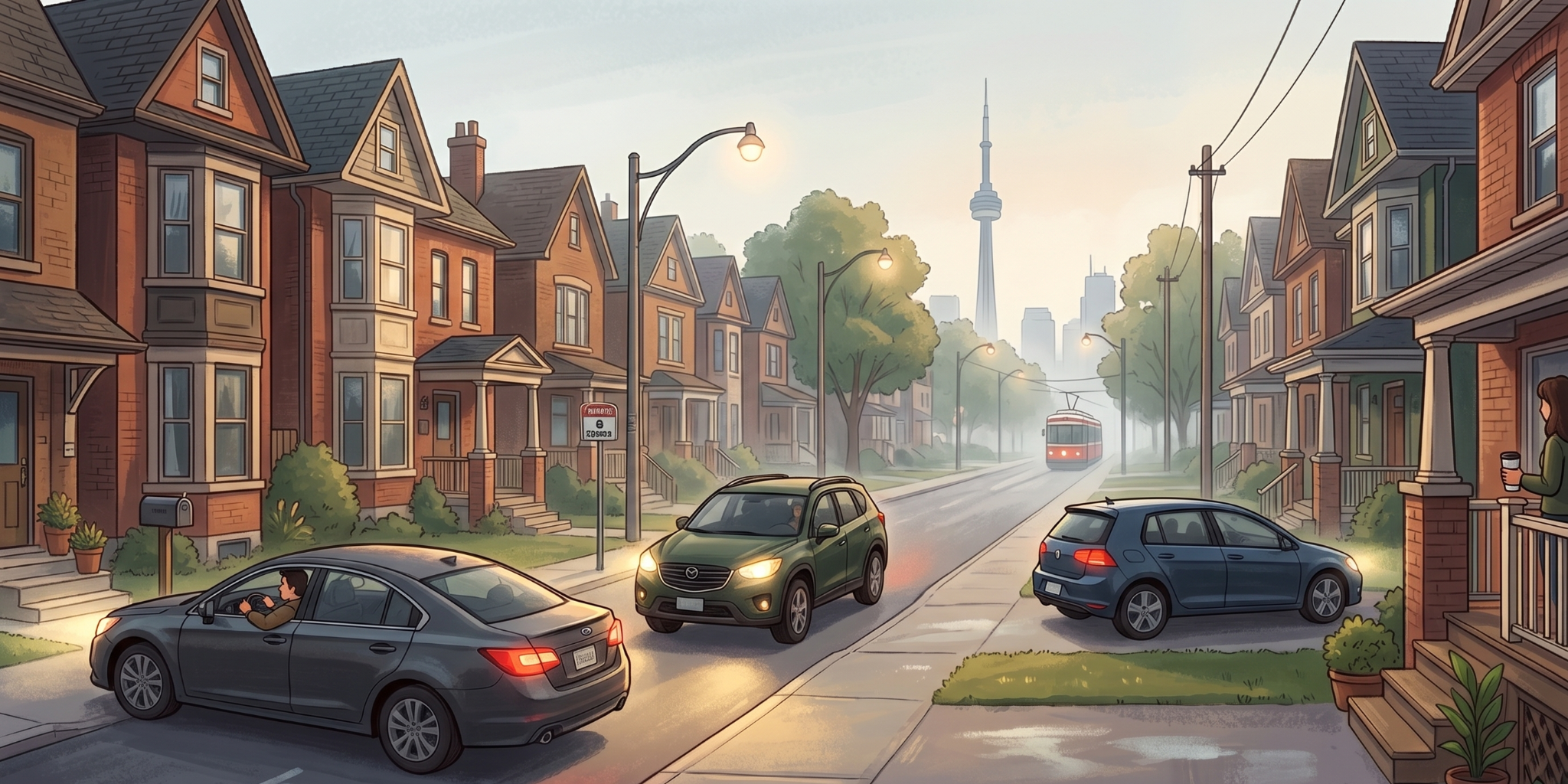
One of the most effective ways to evaluate a street is to visit it more than once and at different hours. A quiet afternoon showing can give a misleading impression. The same block may look entirely different at 7:30 in the morning when commuters are pulling out of driveways, at school dismissal when pedestrian traffic peaks, or on a Friday evening when neighbours gather outside.
Pay attention to parking. Is the street congested at certain hours? Are there commercial vehicles, delivery trucks, or contractor vans that suggest nearby businesses or renovation activity? These small observations can tell you a great deal about how the street actually functions as a living environment.
Read the Physical Condition of the Block
The condition of neighbouring properties signals a great deal about community investment and long-term value. When you evaluate a street, look at how homes are maintained. Consistent landscaping, well-kept exteriors, and recent renovations suggest that owners are invested in the neighbourhood. Neglected properties or clusters of rental conversions can indicate a block in transition, which may work in either direction depending on your timeline and risk tolerance.
Look at the infrastructure too. Sidewalk quality, mature tree coverage, overhead wiring versus underground utilities, and the condition of road surfaces all reflect how well the city maintains the area. These factors affect curb appeal, walkability, and in some cases, utility reliability.
Understand the Traffic and Noise Profile
Traffic and noise are among the most common sources of buyer’s remorse after purchasing a new home. Before you commit, evaluate a street for its daily noise environment. This includes not just volume but character. Construction noise is temporary. A nearby fire hall, school drop-off zone, or arterial road creates a permanent acoustic backdrop.
Check whether the street acts as a cut-through route between major roads. Google Maps or a simple observation during rush hour can confirm whether the block sees higher-than-expected traffic. Families upsizing into areas like Davisville Village or Riverdale often find that one block’s distance from a thoroughfare makes a significant difference in daily comfort.
Assess Walkability and Practical Access
Walkability has become one of the most consistently sought features among families making a move-up purchase. When you evaluate a street, consider how easily it connects your family to the things you use daily: schools, parks, transit, groceries, and recreational facilities.
Walk Score and similar tools offer a useful starting point, but they do not capture everything. A high numerical score means little if the walking routes feel unsafe, poorly lit, or disconnected from where your family actually needs to go. Walk the routes yourself, particularly the path to the nearest school and park, and assess how the experience feels on foot.
Proximity to transit corridors also matters for families where at least one partner commutes. Exploring local neighbourhoods with strong TTC or GO access can help you identify streets that offer the space you need without trading away convenient connections to the city.
Look Into the School Catchment Boundaries
In Toronto, school boundaries can shift, and they do not always follow neighbourhood names. Two homes on the same stretch of road may be assigned to different schools depending on which side of a boundary line they fall on. When you evaluate a street, confirm the specific catchment rather than assuming based on the neighbourhood’s reputation.
The Toronto District School Board and Toronto Catholic District School Board both maintain online tools that allow you to enter an address and confirm school placement. For families with children in specific grades or programs, this verification step can save significant frustration after the purchase closes.

Pay Attention to the Neighbours
This is the part of the process that cannot be researched with data. Neighbourhoods are made of people, and the relationships on a street shape day-to-day quality of life in ways that are difficult to quantify.
If possible, have a brief conversation with a neighbour during one of your visits. You are not conducting an investigation. You are simply getting a feel for whether people are engaged, friendly, and invested in the block. A street where neighbours know each other and look out for each other’s properties creates a very different living environment than one where residents are transient or disengaged.
Pay attention to small signals. Are holiday decorations tended to or left up through the summer? Are there shared gardens, block parties, or neighbourhood Facebook groups? None of these alone is decisive, but together they suggest the character of the community you would be joining.
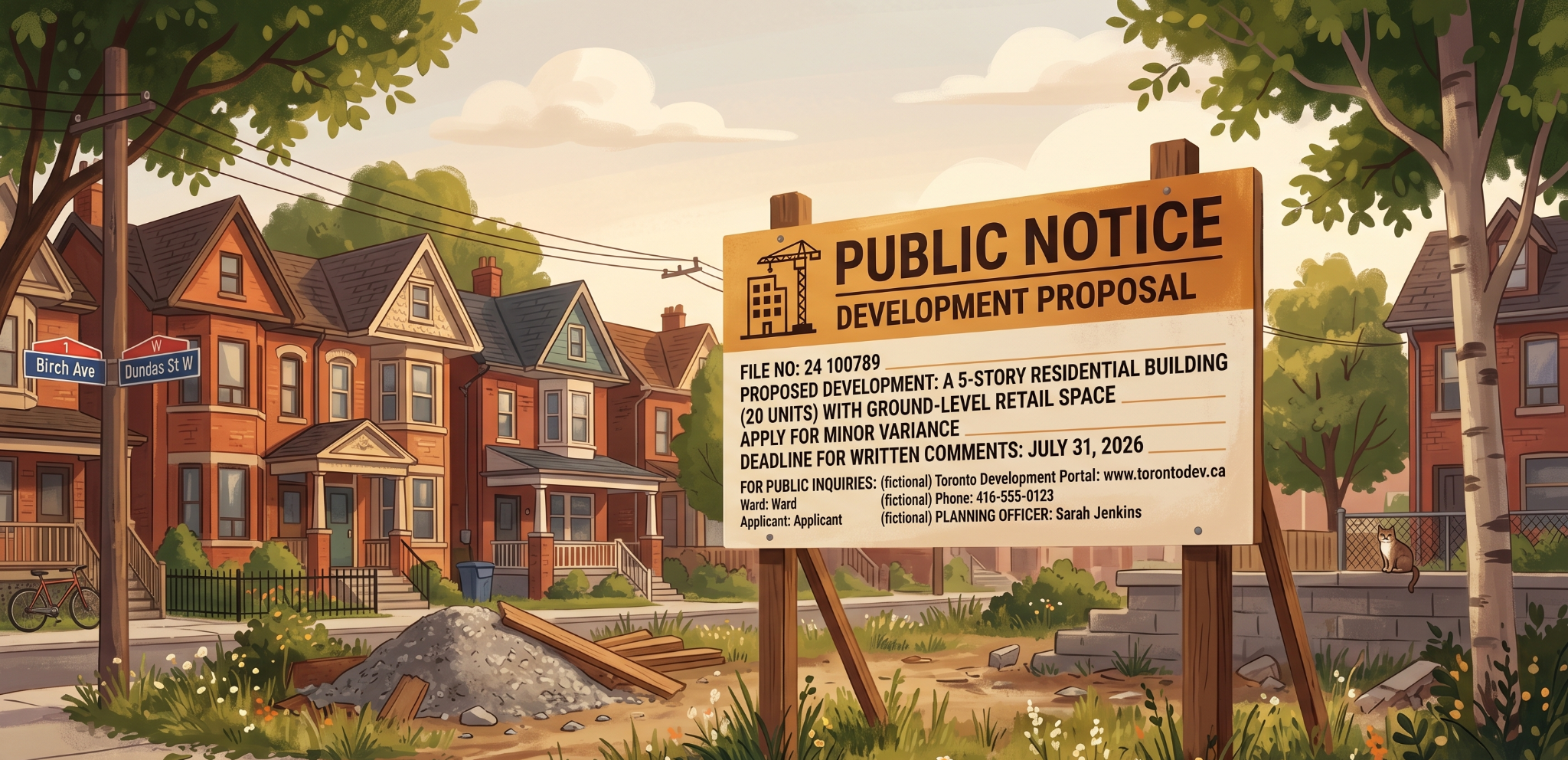
Check Development and Zoning Activity Nearby
In many parts of Toronto, what a street looks like today may not reflect what it looks like in five years. Infill development, zoning changes, and mid-rise intensification along designated avenues can transform the character of a block relatively quickly.
The City of Toronto’s planning portal provides access to active development applications and approved zoning changes. Before you evaluate a street as your long-term home base, check whether there are nearby projects that could affect views, traffic, construction noise, or the general character of the area. This is especially relevant in transitional neighbourhoods like The Junction or Danforth Village, where revitalization is actively reshaping surrounding blocks.
Consider What the Street Tells You About Resale
For most upsizing families, this move represents a significant capital allocation. A home purchased with a ten to fifteen year horizon needs to work as both a living environment and a financial asset.
When you evaluate a street for resale potential, look at recent sold prices on comparable properties nearby. Are homes on this street commanding premiums relative to the surrounding area, or are they consistently priced at a discount? Patterns in current listings across Toronto can help you understand how different streets perform within the same neighbourhood.
Streets adjacent to parks, with strong architectural consistency, minimal commercial encroachment, and low through-traffic tend to hold their value well. These are not guarantees, but they are the kinds of conditions that have historically supported above-average appreciation in Toronto’s move-up market.
Make the Street Part of Your Decision Framework
Most buyers evaluate a street informally and after the fact, once they have already fallen in love with a particular house. Reversing that sequence, and intentionally evaluating the street before you let a property win you over, leads to better long-term decisions.
Build a simple checklist for any property that makes your shortlist. Visit multiple times. Walk the route to school. Check the planning portal. Talk to one neighbour. Sit in the car for ten minutes and watch what happens. These steps cost very little time and can prevent a great deal of future regret.
When you work with a knowledgeable realtor who specializes in upsizing families in Toronto, this kind of street-level due diligence becomes part of the standard process. The house gets the attention it deserves. So does everything surrounding it.
A well-chosen street is one you stop noticing over time because it simply works. Your children walk it without concern. Your neighbours wave. The commute is manageable. The character of the block feels like a natural extension of your home. That ease is worth evaluating for, not just hoping for.